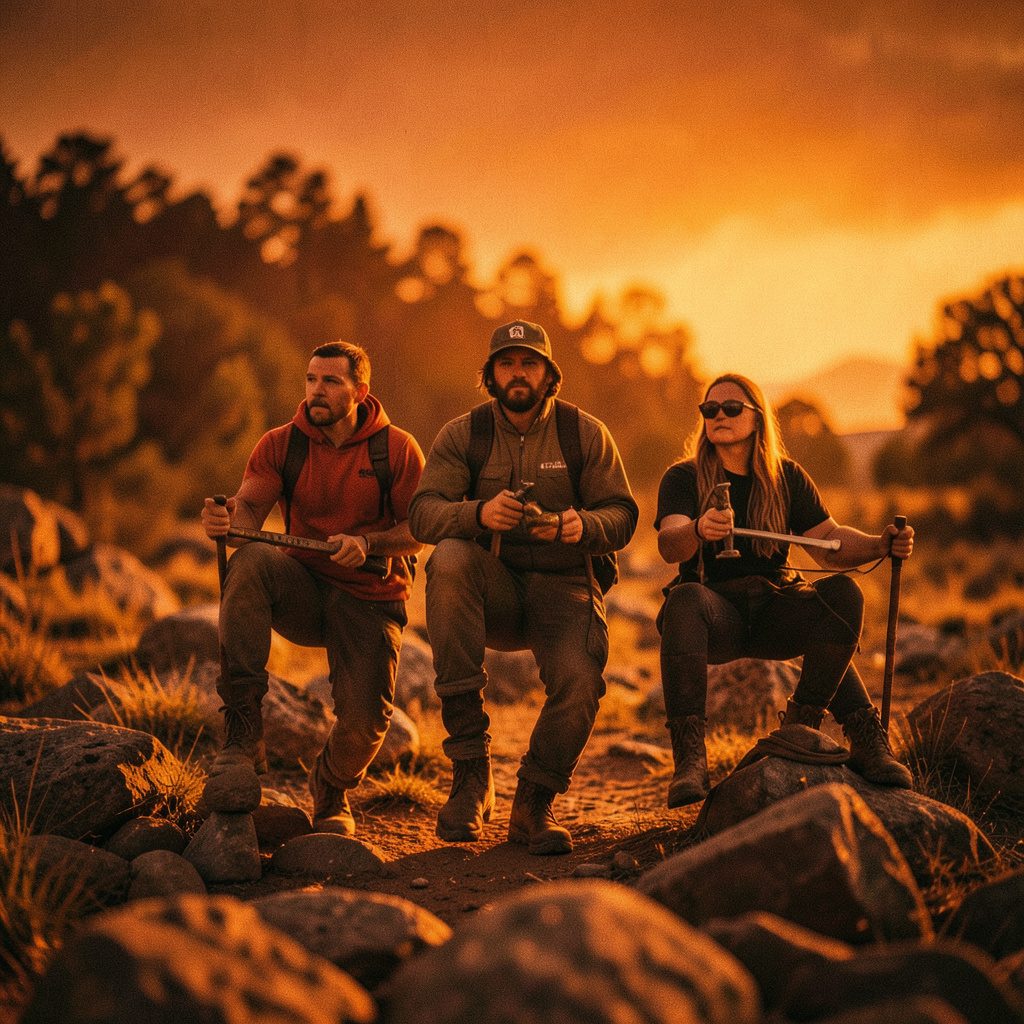









Hidden waterfalls of the Allegheny National Forest
Exploring the Allegheny National Forest’s hidden waterfalls starts with a surprise: the loudest creek in the woods may end at a veil only a few metres high. Located across Pennsylvania’s northwestern forests, these drops reward slow travel, careful map reading and a willingness to accept that forest access changes with weather, season and road work.
Pennsylvania’s country can feel recognisable to many Australians, especially those who have walked the Blue Mountains or Tasmania’s west coast. Here, however, dense hemlock, maple and birch replace familiar eucalyptus and coastal heath. A small cascade beside a quiet road can carry just as much atmosphere as a grand alpine waterfall without the long drive or technical approach.
Most visitors say they are hiking, although many Australians would call the same outing a walk or an arvo in the bush. Distances also need translating: local signs use miles and miles per hour, while Australian travellers think in kilometres and drive on the opposite side of the road at home. Pennsylvania traffic moves on the right.
Regional outfitters in this part of America often follow event and school-holiday schedules rather than staying open every day. Book a canoe, bike or guide before a long weekend, check whether permits or registrations apply, and ask about card payments, mobile coverage and the nearest fuel stop. Quoted prices are in US dollars, while some travellers prefer BYO camp gear, a familiar Australian habit.
Start with the right waterfall
Not every hidden waterfall requires a major trek, so match the destination to the time and conditions. The forest contains short creekside approaches, longer hollow walks and road-accessed cascades. Rather than promise a universal distance, current DCNR maps, local reports and a guide should confirm parking, ownership boundaries and whether a stream crossing is safe that day.
| Forest area | Character | Suited to | Main caution |
|---|---|---|---|
| Johnsonburg area | Intimate drop beside Thorn Creek | Short walks and paddlers | Wet rocks and busy picnic periods |
| Panther Creek | Two-stage cascade in a wooded hollow | Moderate walkers and mountain bikers | Longer approach and footwear after rain |
| St. Marys area | Creek-side cascade near road-accessed scenery | Families and photographers | Weekend traffic and private property |
| Oil Creek corridor | Cascades and broader water views | Cycling and mixed outings | Roads cross working landscapes |
Some visitors prefer to combine the falls with a forest road, and the regional cycling guide shows how cycling routes can turn a short stop into a full day. Leave enough time to cool down, photograph the creek and watch for sharp rises. Yellow Creek, Truby and the wider Johnsonburg area offer different balances of movement and stillness, but conditions should guide the final route.
Read terrain, water and access
Waterfall creeks are small but change quickly, especially when rain sits higher in the watershed. A dry-looking trail can become slippery after a storm upstream, while a modest flow may become forceful after snowmelt. Fast-moving online updates deserve similar context: a page of live tournament insights is useful only when the observer, time and subject are clear. For a waterfall, check whether a report concerns the creek itself, the access road or upstream rain.
Official updates from Pennsylvania’s forest agency, local fire departments and trail organisations are more dependable than an old pinned post. Ask whether recent rain affected roads, whether parking is open and whether a bridge or ford is passable. In spring, be especially cautious around swollen tributaries; in summer, expect more traffic, insects and less water, but easier access to some rock shelves.
Paddle the creek corridors
The wider Allegheny and Clarion River region gives paddlers a different way to reach the forest’s edges. A canoe or kayak can carry picnic supplies to a launch, combine a short paddle with a walk and reveal creek mouths inaccessible from a road. It is not a substitute for a waterfall-specific safety check, since currents near tributary mouths can accelerate when the main river rises.
Self-guided boat hire suits travellers comfortable reading gauges, wind forecasts and water levels. A supported outing is often the better choice for families, beginners or anyone arriving for one named cascade. Ask for a written breakdown of boat type, shuttle, dry bags, guide ratio and wet-weather policy. A clear price comparison explainer demonstrates why visible inclusions and exclusions matter, even though outdoor trips need a more specific checklist than leisure bookings.
Walk in with the right gear
Country Squirrel’s essential gear checklist provides a useful starting point for a day walk. Waterproof footwear, a small first-aid kit, insect repellent, two litres of water and a warm layer cover most Pennsylvania changes. Pack food that needs no cooking, keep the phone accessible for navigation and carry a paper map as a backup. Match the load to the route rather than buying for the longest possible day.
Backpackers can trade some weight for shelter, insulation and a compact repair kit, while day walkers should not carry camping equipment they will not use. Leave gear where it cannot wash into a creek, take rubbish out and use established paths to avoid widening the trail. Clean shoe soles also reduce damage around recovering vegetation and muddy stream banks.
Add two wheels to the journey
Many forest roads are quiet enough for a comfortable ride, but they are not a dedicated cycle network. Hills can be steeper and longer than they appear on a map, while descents demand a slower speed than riders accustomed to an easy riverside path may expect. Australian riders may be surprised by the grade, particularly around the Johnsonburg and Ridgway areas, so tyre choice and mechanical condition matter.
Before committing to a longer circuit, inspect brakes, tyre pressure, lights and the spare tube or repair kit, and tell someone the planned return time. Reviews such as independent field reviews can complement advice from the hire shop, but recent local information carries more weight because forest surfaces and weather alter the same route through the year. A shorter out-and-back is often more satisfying than pushing onward with a developing mechanical problem.
Manage rain, rock and changing flow
Some waterfalls sit beside good climbing rock, but wet limestone and sandstone make a scramble a serious undertaking. Guides can set top ropes or manage protection on suitable routes, yet every participant still needs footwear, a helmet and the ability to follow commands. Do not scramble towards a cascade merely because the view looks close; the approach can be loose, steep or flooded.
After heavy rain, the danger may be upstream rather than at the lip. A fallen branch can form a temporary dam, and a clear blue pool can conceal a powerful recirculating current. Watch from a distance, avoid swimming below falls and treat every cold plunge as potentially deeper than it appears. Forest cover also makes lightning a serious concern, so lingering beneath high rock walls or isolated trees is risky.
Cold-water immersion can impair coordination sooner than expected. Carry a basic emergency blanket, know how to dry someone gradually and keep a charged phone where it remains reachable. Visitors unaccustomed to American trail markings also benefit from local guidance about junctions, seasonal closures and private boundaries.
Choose self-guided or supported
Country Squirrel Outfitters organises kayak and canoe hire, bicycle rentals, seasonal snow equipment and outdoor gear for camping, hiking, cycling, paddling and climbing. Its adventure team also provides guided backpacking, hiking, biking, river and rock-climbing trips. That range is useful when weather forces a change of plan: a paddling day can become a shorter hike, or a ride can be redirected without losing the wider itinerary.
For self-guided visitors, book the critical hire first and build the rest of the day around its start time and location. Ask about water levels, parking, food storage, restroom access and the exact meeting point. The outfitter also supports local outdoor events, so race weekends, festivals and maintenance days may affect access or business hours. Clear expectations, suitable equipment and respect for changing water turn the hidden falls into a genuine forest discovery rather than merely a roadside stop.