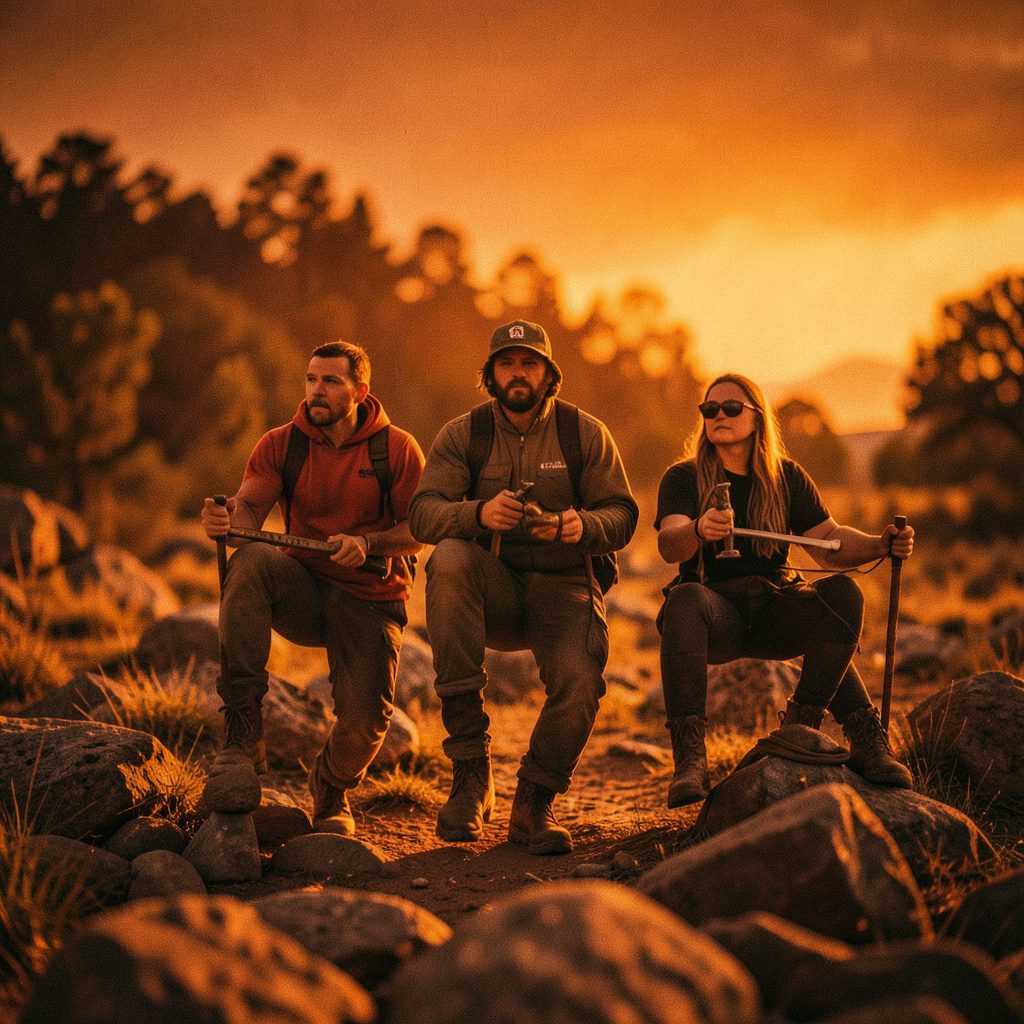









Day-Hike Gear for Allegheny National Forest
A day on the trails of Pennsylvania’s Allegheny National Forest can move through hardwood shade, open ridgelines, muddy hollows and rocky stream crossings. Conditions change quickly, so a comfortable walk requires more than sturdy shoes and a water bottle. The right clothing, navigation tools and emergency equipment help you enjoy the forest without carrying an expedition-sized pack.
This advice suits visitors exploring around the Allegheny and Clarion River region, whether they are following a marked loop, walking to a lookout or combining a trail with paddling or cycling. Australian travellers may be used to bushwalking near Melbourne, Sydney or Brisbane, but North American forests bring different hazards, including black bears, ticks, dense undergrowth and sudden temperature changes.
Timing also deserves attention. Pennsylvania’s warm season falls during Australia’s cooler months, while an Australian summer trip may arrive during the forest’s winter. A forecast that looks mild in Pittsburgh can feel cold and wet in the forest, especially when the trail is shaded or elevated. Pack for the conditions on the ground, rather than relying only on the forecast for the nearest city.
Before setting out, check trail status, daylight hours, parking arrangements and local regulations. Australian outdoor habits such as carrying sun protection, downloading maps before leaving town and keeping food sealed transfer well here. Fire restrictions, hunting seasons and trail-specific rules can change, so verify current information with the relevant land manager.
Trail Planning And Clothing
Begin with a route that matches the group’s fitness, experience and available daylight. A short trail can take much longer when it is wet, root-covered or steep, and a day hike in unfamiliar country should include time for navigation errors and rest stops. Leave someone at home with your route, expected return time and vehicle details.
Use a moisture-wicking base layer, an insulating mid-layer and a waterproof shell. Cotton can become cold when damp, while a lightweight merino or synthetic shirt dries faster. Pack a warm layer even on a sunny morning, and add a beanie and gloves in the shoulder seasons. Australian visitors accustomed to strong UV exposure should still bring a broad-brimmed hat and SPF 30 or higher sunscreen; woodland shade does not eliminate sunburn risk.
Footwear And Trekking Support
Trail shoes are suitable for many maintained paths, but boots with ankle support can be useful on uneven ground, especially after rain. Choose footwear with a grippy sole and enough room for thicker socks. Break it in before travelling, and carry blister patches rather than assuming a comfortable pair will remain trouble-free after several hours.
Trekking poles can reduce strain on descents, slippery roots and stream crossings. They are particularly useful for hikers carrying camera equipment or travelling with children. Gaiters are optional, though they help keep mud, leaves and ticks away from socks and trouser legs. Check your clothing and footwear after the walk, since ticks can attach in tall grass and brush.
A Practical Pack Checklist
A day pack of roughly 20–30 litres usually provides enough space without encouraging excessive weight. Use a liner or dry bags to protect spare clothing, maps and electronics from rain. Keep frequently used items in accessible pockets, and place heavier objects close to your back so the load stays balanced.
Pack these essentials for a safer and more comfortable outing:
- Two to three litres of water per person, adjusted for heat and exertion
- Offline map, compass, charged phone and a small power bank
- Waterproof shell, warm layer, hat, sunscreen and insect repellent
- First-aid kit with blister care, personal medication and pain relief
- Headlamp, whistle, lighter and an emergency blanket
Food should include a proper lunch plus high-energy snacks such as trail mix, oat bars, dried fruit or sandwiches. Do not depend on finding a shop or drinking-water source along the route. Treat water from streams with a filter or purification method, and never assume clear water is safe.
Weather Protection And First Aid
Rain can arrive quickly, and a waterproof jacket is more dependable than a disposable poncho in wooded terrain. Pack rain trousers if the forecast is unsettled, and store electronics in waterproof pouches. In colder months, damp clothing can become a genuine safety issue, so keep an insulating layer dry until it is needed.
A compact first-aid kit should cover cuts, sprains, blisters, insect bites and allergic reactions. Add any prescription medicine, including an epinephrine injector where required. Learn basic tick-removal technique and carry tweezers. If someone is injured, move them away from immediate danger, provide warmth and contact emergency services when phone coverage permits. A whistle can attract attention more effectively than shouting through dense forest.
Navigation And Emergency Readiness
Download maps before leaving mobile coverage and mark the trailhead, turnarounds, water sources and bail-out points. A paper map and compass remain valuable when a phone battery fails or a downloaded map proves incomplete. Do not rely on a single navigation app, particularly if travelling from Australia with roaming limitations or a prepaid US SIM.
A satellite messenger can be worthwhile for remote routes or solo travel, though it does not replace route planning. Keep your phone in flight mode when possible to preserve battery, and carry a power bank in a sealed pouch. If your group has limited local experience, the guided adventure team can help match a trip with the season, terrain and abilities of the participants.
Wildlife And Leave No Trace
Black bears generally avoid people, but hikers should keep food and scented items secured and never feed wildlife. Make noise around blind corners, especially near streams or thick vegetation, and give animals room to leave. Store snacks in sealed bags inside your pack rather than carrying loose food in outer pockets. Insect repellent, long trousers and a post-hike tick check are sensible precautions.
Follow marked routes, cross streams carefully and pack out every wrapper, tissue and food scrap. Use established toilets where available, or follow local guidance for human waste in less developed areas. Australian bushwalking experience with Leave No Trace principles is highly relevant, while local Pennsylvania rules may also restrict camping, fires, bicycles or dogs in particular areas. Check signs at the trailhead rather than assuming every public forest permits the same activities.
Items Worth Hiring
Travellers often do not need to buy bulky equipment for one Pennsylvania trip. Rental can be practical for snowshoes in winter, technical packs, trekking poles or other seasonal items that would be expensive to bring from Australia. It also lets you choose equipment suited to local terrain instead of relying on lightweight gear designed for dry Australian tracks.
When comparing equipment, consider fit, weather resistance, weight and how easily it can be adjusted. The gear selection guide offers useful direction before reserving equipment, particularly for visitors unfamiliar with regional conditions.
Good candidates for hire include:
- Trekking poles for steep, muddy or uneven trails
- Technical backpacks with rain covers and adjustable harnesses
- Snowshoes and insulated winter equipment
- GPS or emergency communication equipment where available
- Child carriers or family-oriented outdoor accessories
Reserve popular seasonal equipment early, especially around weekends and holiday periods. Ask about collection times, fitting assistance, damage policies and what is included in the hire. Australian Consumer Law protects purchases made in Australia, but equipment rented in Pennsylvania is governed by the provider’s agreement and applicable local rules, so read the terms carefully.
Making The Most Of One Day
Start early enough to park safely, complete the route in daylight and allow time for breaks. Carry a printed address or trailhead coordinates in case directions are needed after losing reception. Visitors driving from cities such as Pittsburgh or travelling through smaller regional towns should fill the vehicle with fuel and collect groceries before reaching a remote trailhead, where services may be limited.
A sensible day-hike kit is quiet insurance: reliable footwear, layered clothing, navigation, water, food and a few emergency essentials. Match the load to the route, watch the weather and respect the forest’s wildlife and regulations. For help arranging equipment or discussing a self-guided outing in the Allegheny and Clarion River area, use the contact details before leaving home.