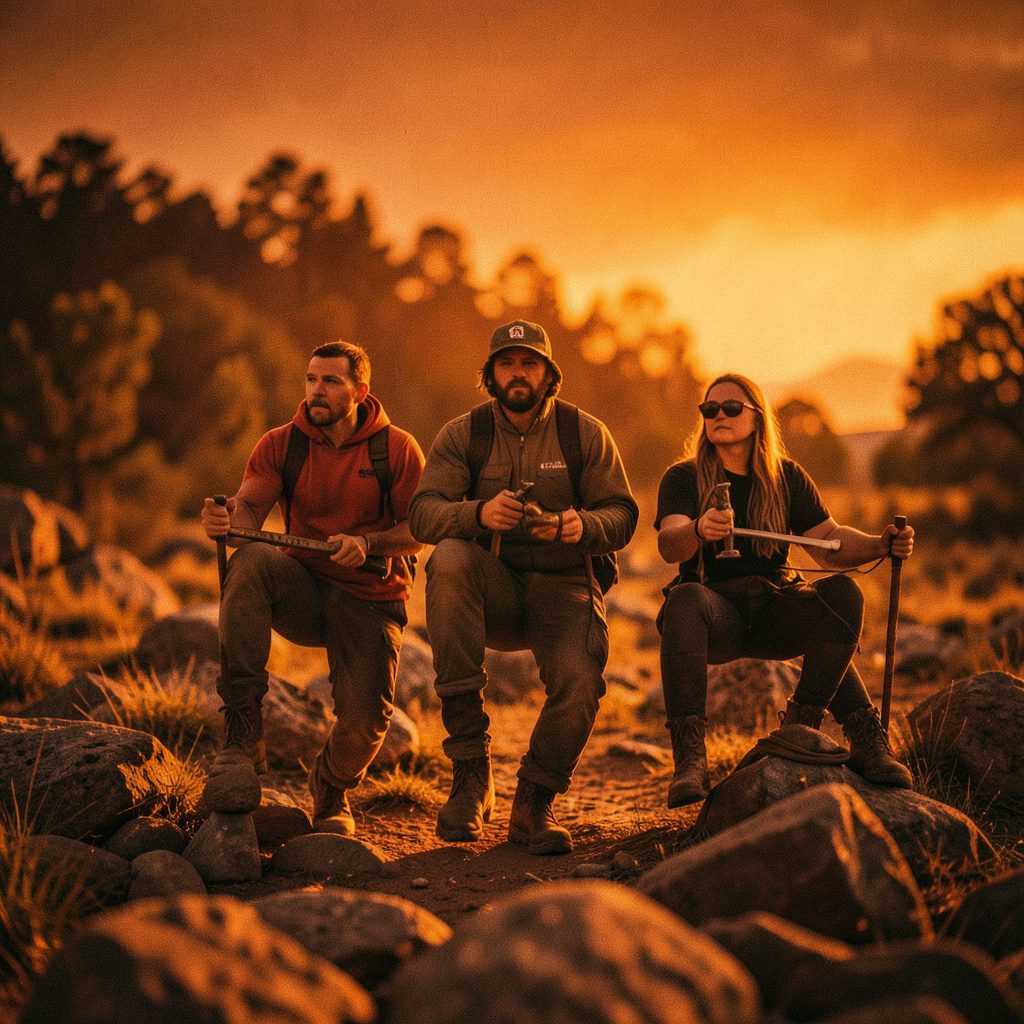









Beginner’s Guide To Guided Hiking In The Allegheny National Forest
For Australian travellers, a guided hike in Pennsylvania’s Allegheny National Forest offers a different kind of bushwalking experience. Instead of eucalyptus woodland, you will move through northern hardwood forest, hemlock groves, rocky overlooks and quiet valleys shaped by the Allegheny and Clarion rivers. The scenery changes with the season, from spring wildflowers to brilliant autumn foliage.
The forest is large, remote in places and easy to underestimate on a map. A local guide helps you choose a suitable trail, understand the terrain and make sensible decisions when weather or daylight changes. This is especially useful if your usual walks are around the Dandenong Ranges, Blue Mountains or Brisbane hinterland and you are unfamiliar with North American trail conditions.
Country Squirrel Outfitters supports guided hiking, backpacking and other outdoor adventures in the region. Its adventure team brings local knowledge to route planning, group management and safety, helping first-time visitors enjoy the forest without spending their trip worrying about navigation.
Why Choose A Guided Hike
A guided walk is more than following someone along a marked path. Your guide can explain the forest’s ecology, identify trees and wildlife, point out historic features and adjust the pace to suit the group. You may learn about black bears, white-tailed deer, beavers, native birds and the working forests that surround many communities in north-western Pennsylvania.
Navigation is another major benefit. Trail signs can be spaced widely, side tracks may look inviting and mobile coverage can be unreliable. A local leader understands which routes become muddy after rain, where steep sections are concentrated and how long a walk usually takes in real conditions rather than on a brochure.
For Australians accustomed to independently exploring national parks, the format may feel familiar but the setting is different. A guided outing can be a practical first step before attempting a self-guided route, particularly after a long flight from Sydney, Melbourne, Brisbane or Perth.
Selecting A Trail And Season
Begin with your available time, fitness and preferred scenery. A short forest walk may suit families or travellers adjusting to jet lag, while a longer day hike can include ridgelines, stream crossings, overlooks and quieter sections of the forest. Tell the outfitter about previous experience honestly, including whether you are comfortable with uneven ground, sustained climbs or carrying a day pack.
Season affects both the landscape and the difficulty. Summer brings warm days, green foliage and insects. Autumn is popular for colourful leaves, so accommodation and guided trips can fill quickly around peak weekends. Spring may be cool and wet, while winter requires specialist clothing and careful attention to snow and ice. The seasons are opposite to Australia’s, so a December visit is winter in Pennsylvania rather than the start of summer.
When comparing routes, look beyond distance. Elevation gain, trail surface, stream crossings, forecast conditions and the group’s pace matter just as much. Australian visitors researching activities for children can also borrow the practical mindset found in these family travel ideas: choose an outing that leaves enough energy for the rest of the day rather than trying to fit in every attraction.
Essential Preparation For The Forest
Wear footwear with a firm sole and good grip. Many trails are natural surfaces rather than constructed paths, and damp leaves, roots and exposed stones can become slippery. Lightweight walking boots or sturdy trail shoes are usually more useful than casual sneakers. Quick-drying layers are preferable to heavy cotton, particularly when the forecast is changeable.
Pack water, snacks, sun protection, insect repellent and a small personal first-aid kit. Even on a guided trip, you should carry essentials you may need between stops. A wide-brim hat and high-SPF sunscreen will feel familiar to Australians, while a warm mid-layer and waterproof shell are important in Pennsylvania’s cooler conditions.
A useful starting point is this guide to essential outdoor gear, which can help you separate genuinely useful equipment from items that add weight without improving comfort.
Practical Items For A Day Hike
- Two to three litres of water, with extra capacity for warm weather
- Trail shoes or boots, wool or synthetic socks and spare socks
- Waterproof jacket, insulating layer and sun protection
- Insect repellent, personal medication and basic first aid
- Small rubbish bag, snacks and a charged phone or camera
What To Expect On The Day
A guided hike normally begins with a briefing covering the route, weather, pace, hazards and group expectations. The leader may check footwear and water before setting off, then establish a comfortable rhythm with regular pauses. These breaks are useful for drinking, eating and taking photographs without allowing the group to become too spread out.
Do not be surprised if the guide discusses ticks and black bears. Neither should cause alarm, but both require sensible habits. Stay on the trail, avoid touching wildlife, keep food secured and check clothing and skin for ticks after the walk. Long trousers tucked into socks can be useful in brushy areas, and a guide can explain local precautions in more detail.
Weather can shift quickly around forested ridges and river valleys. Rain may make rocks and roots slick, while cool conditions can persist in shaded areas. A guided group may shorten, reroute or postpone a walk when conditions create unnecessary risk. That flexibility is a sign of responsible leadership, not a failure to complete the itinerary.
Travel administration deserves a little attention too. Before leaving Australia, review roaming, insurance and automatic payments so a missed due date does not create an avoidable problem while you are hiking; this explanation of Tesco bill due dates illustrates why payment timing matters when travelling internationally.
Making The Most Of Your Allegheny Visit
A guided hike works well as part of a wider outdoor itinerary. You could combine a forest walk with cycling, kayaking or canoeing on a nearby river, depending on the season and water conditions. Country Squirrel Outfitters also helps visitors arrange equipment and plan self-guided adventures, which makes it easier to build an active trip around your available days.
The Allegheny and Clarion River region rewards slower travel. Allow time for small towns, scenic drives, local cafés and changing weather rather than treating the forest as a quick stop between major cities. The pace may feel different from a tightly scheduled Australian road trip, and that is part of the appeal: a quiet overlook or wildlife sighting often becomes the most memorable part of the day.
Budget in US dollars for guiding, meals, park-related costs, transport and accommodation, while keeping an eye on exchange rates from the Australian dollar. If you are hiring a car, allow for fuel and the distances between trailheads. Check what is included in the trip price, such as equipment, transport, meals or permits, before booking.
Questions To Settle Before Booking
- Is the route suitable for your group’s fitness and hiking experience?
- What happens if rain, snow or unsafe trail conditions affect the itinerary?
- Are poles, packs, water equipment or other items available to rent?
- Where is the meeting point, and how much driving is required?
- What clothing, food and personal equipment should each guest bring?
The outfitter’s About page provides useful background on its outdoor services and regional focus. Reviewing those details before contacting the team can help you describe your interests clearly, whether you want a relaxed family outing, a full-day forest hike or a more demanding backpacking experience.
A first guided hike in the Allegheny National Forest should leave you with a better understanding of the landscape and the confidence to explore responsibly. With a suitable route, realistic preparation and local support, visitors from Australia can enjoy a distinctly Pennsylvanian form of bushwalking—cool forest air, expansive woodland, river country and trails that invite you to slow down and look closely.