



Winter camping in Pennsylvania: staying warm and comfortable
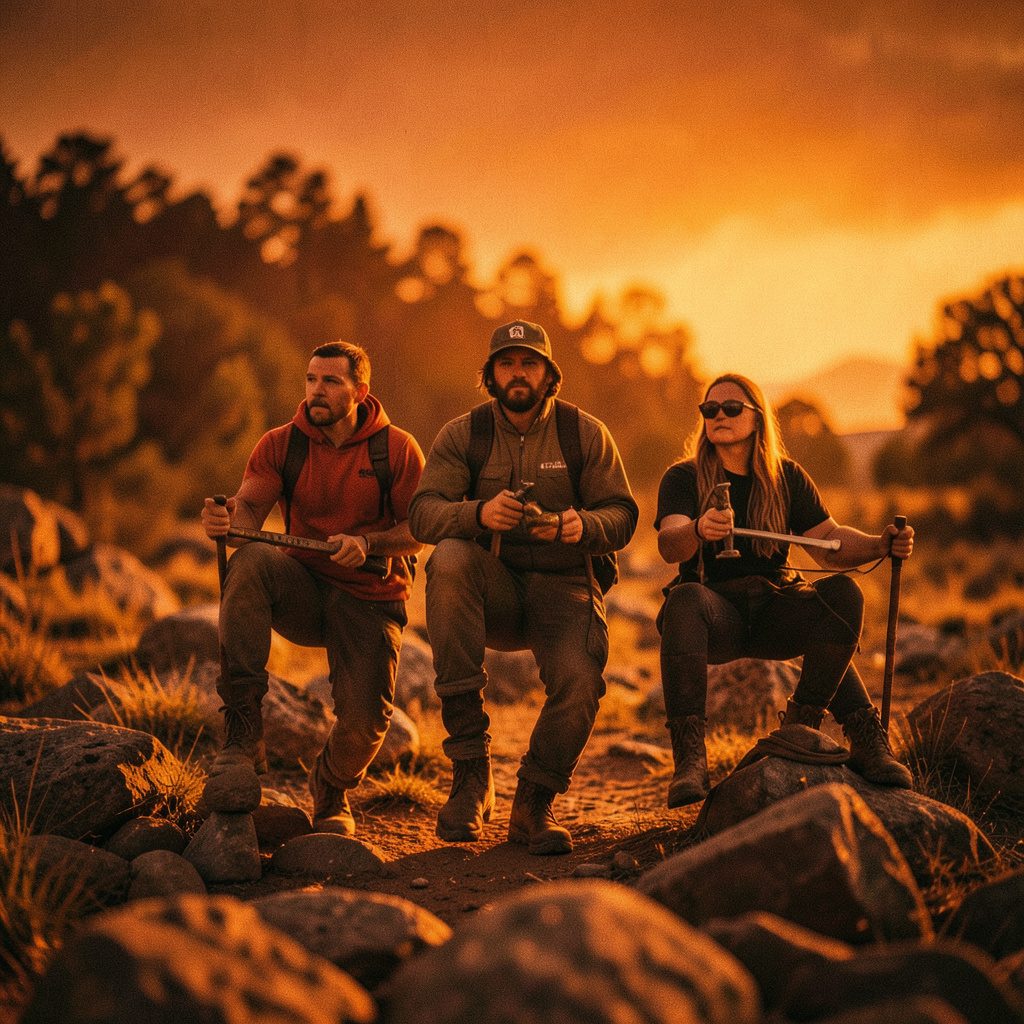
Winter camping in Pennsylvania turns familiar forests, river valleys and back roads into a cold-weather challenge. Snow can hide the easiest route, ice can make a gentle slope dangerous, and a clear afternoon may be followed by a sharp temperature drop. The reward is quieter campsites and wintry scenery, provided the shelter, clothing, sleeping system and food plan work together.
For Australians, the timing is the first surprise: December to February is summer in Australia but winter in Pennsylvania. Travellers from Sydney and Melbourne may exchange hot days for snow and sub-zero nights. Country Squirrel Outfitters offers local advice, seasonal snow equipment and guided outdoor trips around the Allegheny and Clarion River region, giving first-time winter campers a useful base.
Read the forecast and choose a site
Begin with the National Weather Service forecast, then check local park notices and recent snowfall. Northwestern Pennsylvania can receive heavy lake-effect snow, while ridges and shaded valleys hold cold air. Rain falling onto frozen ground may create more hazardous ice than deep powder, so forecast temperature alone is not enough. Pay attention to wind chill, overnight lows and the time of the last warming.
Confirm that your intended campground remains open for winter and has suitable access. Snow may block a narrow road or make a canoe launch point unsuitable, even if the map shows a summer route. Ask about ploughing, parking and emergency access, and check whether the site provides a heated shelter or designated winter pitches. Pack a paper map alongside an offline phone map, since mobile service can disappear in remote valleys.
Compare Pennsylvania camping locations, but filter them for season, access and facilities rather than treating a general list as a live conditions report. A woodland site near a river may offer convenient scenery but also damp ground and rising water. A sheltered site away from the bank is often more comfortable, provided it remains on authorised land and clear of overhead hazards.
Choose a shelter for snow and wind
A standard three-season tent is not automatically a winter tent. Look for a strong frame, a full rainfly, sealed seams and a snow skirt that closes around the lower edges. Winter-rated models generally withstand wind and snow loads better, but size still matters: a larger tent retains more warm air and must be correctly pitched. Position it with its door and vestibule sheltered from prevailing wind, leaving clearance for snow sliding from branches.
Check the site for dead limbs and unstable snow shelves. Drive stakes into unfrozen soil or use suitable anchors, and keep a small shovel and stiff brush in the vehicle for clearing the entrance. Compare the complete rental cost rather than the advertised tent price. A familiar bargain format such as Italian lotto ticket prices shows why a low headline figure needs context: establish which accessories, repairs, deposits and cancellation terms are included.
Build a layered sleeping system
Your sleeping bag protects against cold air; your mat protects against cold ground. Choose a bag by its comfort rating rather than its extreme rating, ideally around 3–5°C below the forecast overnight minimum. Down is light and compressible, yet synthetic insulation can be easier to manage in persistently damp conditions. Keep the bag dry inside a waterproof compression sack and inspect it for tears before departure.
Add a liner, a warm sleeping mat with a suitable R-value, and adjustable base layers. Merino or synthetic layers manage moisture better than cotton, and dry socks make a noticeable difference after a long walk. Inflate an inflatable mat at home and carry a repair kit. Australian campers may be used to bags labelled for mild winter conditions, so compare the rating systems carefully. Cold-weather circulation problems deserve medical advice before travel, while broader travel health advice can assist with vaccinations and destination preparation.
Manage food, fire and camp safety
Plan meals that need little water and prolonged cooking. A thermos of soup or a hot drink at breakfast provides more warmth than an elaborate meal. Keep meat, dairy and cooked leftovers in an insulated esky with frozen bottles or ice packs, maintaining the food at 4°C or below. As a general food-safety rule, discard perishable food left warmer than that for more than two hours. Do not use snow as an uncontaminated substitute for ice.
Fire rules require particular attention. Australian campers may recognise Fire Danger Rating warnings in New South Wales and Victoria, but Pennsylvania restrictions depend on the municipality, county, park authority and season. A permitted summer fire can still be forbidden during winter, and some areas require a permit even for a small campfire. Check local orders immediately before lighting anything. Use a stove for cooking wherever possible, collect only authorised firewood, and keep any fire small, attended and well away from the tent.
Never operate a stove inside an enclosed tent, because carbon monoxide can build up without warning. Use it outdoors or in an open shelter explicitly permitted by the manufacturer, and extinguish the flame before leaving it unattended. Secure food and scented items because raccoons and black bears may investigate a campsite. A guide to Sirinat National Park birding illustrates how habitat knowledge shapes responsible wildlife watching; the same local research matters around Pennsylvania campsites.
Match footwear and equipment to icy trails
Insulated waterproof boots, gaiters and adjustable layers for the legs are more useful than heavy cotton jeans. Add traction devices that fit your boots, and practise walking in them before the trip. Microspikes can improve grip on packed snow, but they do not replace crampons on steep, hard ice. Avoid a frozen waterfall, steep bank or exposed ridge when you lack the technique or equipment to manage it safely.
The Australian outdoor market offers familiar equipment through Bunnings, Kathmandu and local walking clubs, but check the actual temperature rating rather than assuming a product will handle Pennsylvania snow. Measure walking distances in kilometres, read forecasts in Celsius and convert the Fahrenheit figures used in US forecasts carefully. Allow extra time because ice beneath snow, swollen creeks and short daylight can turn an easy route into a demanding return.
Visitors to Pennsylvania drive on the right, opposite Australia, so take extra care when leaving a campsite or filling up at a rural petrol station. Check whether Pennsylvania recognises your Australian licence and whether a translation or international permit is required. Carry a charged power bank, keep spare batteries inside a jacket and download the route before losing reception. For a guided winter hike, ask the local adventure team which conditions trigger cancellation and what equipment they provide.
Reserve ahead and protect your budget
Reserve sites, vehicles and rental equipment early, particularly for weekends in the snowbelt. Obtain the total price in US dollars, including taxes, fuel assumptions, equipment extras and any cleaning fee. Confirm what happens if a storm forces cancellation, and inspect the tent, mat and boots before taking them home. Travel insurance may cover some interruption costs, but read the exclusions for winter activities, remote areas and equipment damage.
Australians commonly tap a card for everyday purchases, so carry a physical card as well as keeping one in a phone case. Some rural businesses and fuel pumps have connectivity problems, and a little cash remains useful. Tipping is customary for some US service roles, although it does not replace checking the advertised rate. Use your bank’s card-fee and exchange-rate terms to compare the final AUD cost rather than relying on the shop’s converted price.
Apply the scrutiny shown in promotional scam checks when evaluating a gear voucher: identify the company, read the conditions and avoid sending money to an unfamiliar account. Book through the business’s own contact details, and treat a prize, discount or prize draw as marketing rather than a reason to skip verification. Keep the confirmation, payment receipt and equipment checklist until the trip is complete.