







What to wear for a guided backpacking trip in all seasons
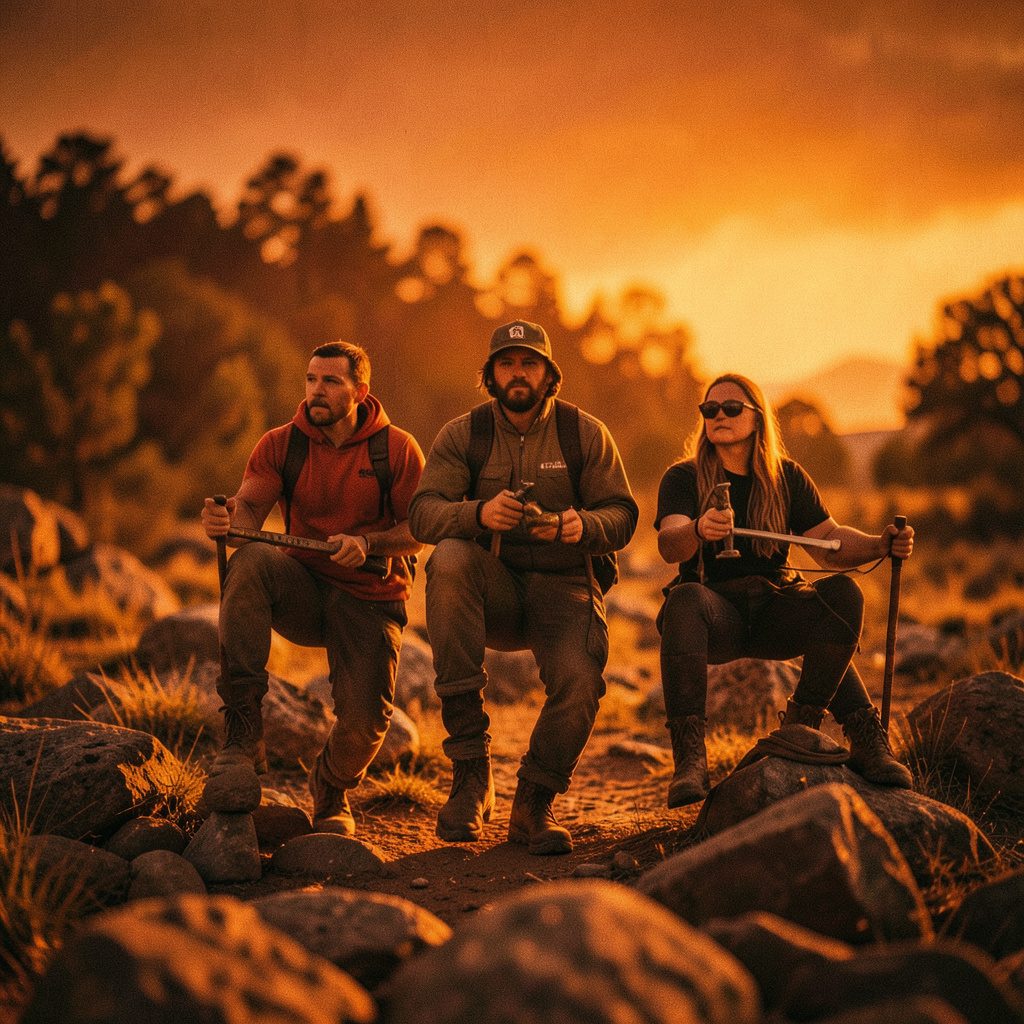
Comfort on a multi-day backpacking trip depends less on owning one perfect jacket than on managing heat, rain and cold with clothing you can add or remove. A base layer that stays dry, a light insulating layer and a dependable waterproof shell give you options without turning your pack into a wardrobe. Your feet and sleep system deserve the same attention, since discomfort in either can spoil several days of walking.
Country Squirrel Outfitters guides visitors through Pennsylvania’s Allegheny and Clarion River region, where forest trails and open ridges can produce very different conditions within a day. Australian travellers should remember that the local calendar is reversed: June to August is summer in Pennsylvania, while December to February is winter. That difference matters when working out what to wear for a guided backpacking trip in all seasons, especially if your home trails are in Brisbane, Melbourne or Canberra.
Building a flexible layering system
Start with three adaptable pieces: a merino wool or synthetic base layer, a breathable fleece or grid fleece, and a waterproof-breathable shell. Cotton is comfortable at first but retains moisture after rain or exertion, so choose quick-drying fabrics instead. Merino regulates temperature well and can be worn for several days; a lighter synthetic layer dries faster when the forecast looks wet.
Build trousers around your route: stretchy walking pants for cool mornings, zip-off sections for heat, and waterproof overtrousers when rain is likely. Carry a warm hat, lightweight gloves and a buff rather than a heavy coat, then adjust the combination to the forecast. Synthetic insulation compresses easily, while down provides more warmth for its weight but needs careful storage. Review the outfitter’s seasonal adventure events to match specialist layers to the season, then ask the adventure team what conditions to expect on the route.
Managing Australian summer heat
During Australian summer, from December to February, loose shirts, quick-drying trousers and a sun hat are more useful than a thick jacket. High ultraviolet levels make broad-spectrum SPF 50 sunscreen, lip balm and sunglasses with good side coverage essential. A long-sleeve shirt made from lightweight fabric provides extra protection without the weight of cotton.
Heat and humidity also call for a two-to-three-litre water capacity, electrolytes and scheduled rest stops rather than waiting until thirst becomes urgent. Brisbane can be hot and sticky, Melbourne can turn cool and windy quickly, and Sydney’s coastal walks may remain damp. Start early, keep water shaded, and turn back when thunderstorms threaten exposed ridges.
Australian wildlife adds another reason to wear closed shoes and stay alert around logs and rocks. Never reach into a hollow log or provoke a snake, and carry a charged phone and first-aid supplies in a separate pouch. These habits protect you without making the trail feel frightening.
Staying warm through autumn and winter
Australian winter from June to August is mild in many places but can still bring frost to Canberra, snow to alpine Tasmania and cold rain to high trails. In Pennsylvania, December to February is the snowy season, so travellers arriving then need insulated layers, a storm hood, warm socks and footwear suitable for icy trails. A synthetic or down jacket can sit over the fleece without restricting shoulder movement.
Put the waterproof shell over insulation, not against skin, so you can vent heat during the climb. Use gaiters where mud and snow are deep, and change into a dry base layer before sleep. The outfitter’s overnight stay advice is useful for coordinating shelter, warmth and sleep rather than expecting clothes to replace a suitable sleeping bag.
Handling spring rain and insects
Persistent spring rain can soak a pack and everything inside it. Keep clothing inside a waterproof liner, use a pack cover, and choose taped or sealed seams for persistent drizzle. Waterproof trousers also stop brush and tall grass from wetting your legs, while gaiters help keep grit out of your boots.
Warm-season insects demand attention on many Australian paths. Mosquitoes and biting midges can make humid evenings miserable, while ants and leeches reward careless food storage. Pack repellent containing picaridin or DEET, follow its label directions, and use permethrin-treated garments only where permitted. Keep food sealed, check footwear each morning and carry the guide’s emergency contact details offline.
If you carry a film camera, give it the same dry-bag protection as your sleeping clothes. A guide to analog film scans explains how to retain the warm, imperfect character of negatives when producing digital prints, so your photographs still feel connected to the trip after the weather has soaked everything else.
Packing clothing and small essentials
Pack for the forecast, then add enough flexibility for a colder ridge or an unexpected downpour. Rent bulky items when possible and keep the items below organised, accessible and easy to inspect.
- Merino or synthetic base layers for cool mornings and repeated changes
- Lightweight fleece or grid mid-layer that compresses into a small pocket
- Waterproof breathable jacket with a full hood and sealed seams
- Stretch hiking trousers, ideally with zip-off legs for hotter periods
- Warm hat, light gloves, spare wool socks and a compact buff
Small essentials should live in separate waterproof pouches:
- Broad-spectrum SPF 50 sunscreen, lip balm and UV-protective sunglasses
- Two to three litres of water capacity, a refillable bottle and electrolyte mix
- Headlamp with spare batteries or a protected rechargeable battery
- Blister kit, tape, personal medication and a small first-aid kit
- Emergency insulation, a whistle and a waterproof bag for electronics
Australian outdoor retailers such as Kathmandu, Decathlon and specialist stores carrying Mont make it straightforward to compare layers in Australian dollars, but technical gear still deserves careful testing. Try the jacket over your fleece, walk uphill in it and check the pack at your waist. Cotton jeans and an oversized raincoat are common packing mistakes; replace them with breathable trousers and a properly fitted shell.
Getting ready for a guided trip
Two weeks before departure, walk regularly in your boots and the socks you intend to wear. This reveals hot spots before the trail does, and it lets you adjust a boot, swap footwear or resolve pressure points with the outfitter. Keep rain layers accessible, place insulation near the top of the pack and use compression straps to stop bulky clothing shifting as the load changes.
Ask which clothing and equipment the adventure team provides. Seasonal snow-equipment rentals can reduce what you need to carry from Australia, while a camera, spare lenses and a compact first-aid kit can travel in a protected side pouch without displacing clothing needed on the ridge.
Before transferring funds, read the payment guidance and keep your booking confirmation, emergency contact and route details in an offline copy. Test the weather again, ask the guide about footwear and load limits, and pack rubbish bags for every campsite. Whether you walk an Australian bush track or a Pennsylvania ridge, take all rubbish out, respect Aboriginal cultural areas and follow access restrictions.