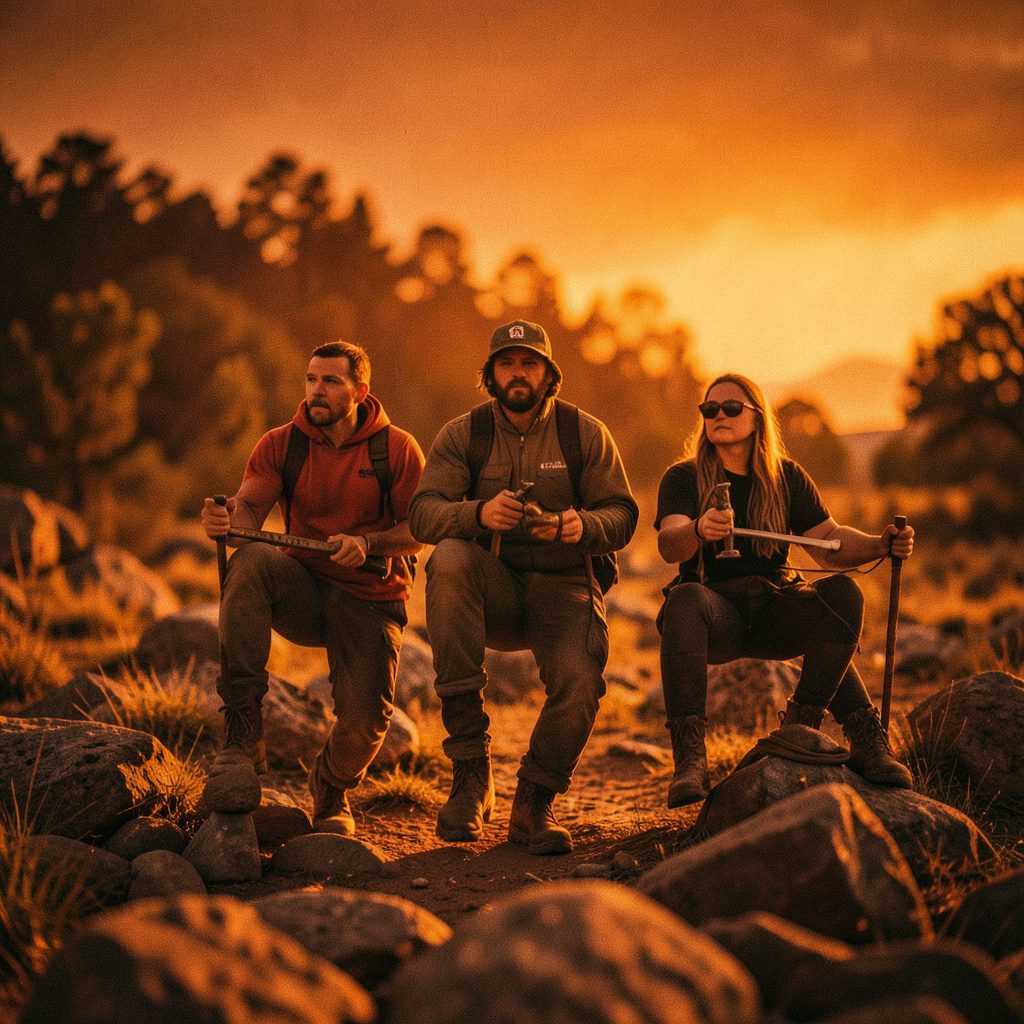








What to Pack for a Guided Backpacking Trip in Northern Pennsylvania
Travelling from Sydney or Brisbane to walk the ridges and river valleys of the Allegheny feels like swapping one kind of wild for another. Australians already understand multi-day hiking — the Larapinta, the Overland Track, the Bibbulmun — so the kit that goes in the bag should feel familiar rather than foreign. Northern Pennsylvania delivers hardwood forest, slate-bottom streams and weather that swings between summer humidity and shoulder-season frost, which is a different beast to the dry heat of the Red Centre or the wet chill of Tasmania.
The Allegheny and Clarion River region runs through old logging country, gentle ridge lines and pockets of old-growth hemlock that shade the trails even on the hottest August afternoon. Travellers coming from Melbourne will recognise the fern gullies and the mossy boulders, while Perth-based hikers will notice how much more rain falls here than on the Darling Scarp. The outfitter runs guided backpacking, hiking, biking, river and rock-climbing trips, so the backpacking experience sits within a wider offering that pairs well with extra days of paddling or cycling along the same waterways.
Even on a guided trip, the packing list still falls on each traveller, and the gear that works on the Bibbulmun is not always the gear that works on a wet Allegheny ridge. The following sections break down what actually earns space in the pack for a multi-day walk with Country Squirrel Outfitters.
Footwear and Clothing Systems
A reliable pair of broken-in boots or trail runners is the single most important piece of kit. Anyone who has walked the Three Capes Track knows the blisters a fresh pair delivers, so the same rule applies across the Pacific. Mid-cut waterproof boots handle the muddy sections near the Clarion, while breathable trail shoes work for dry weeks on the ridges. Wool or synthetic socks beat cotton every time, and packing two pairs lets walkers rotate while the others dry on the outside of the pack.
Layering is the second pillar. A moisture-wicking base layer, a mid-weight fleece or merino pullover, and a waterproof shell cover almost every condition from a chilly May morning to an afternoon thunderstorm rolling over the ridge. A travel umbrella works in Brisbane downpours but is a liability under forest canopy, so leave it at home. A wide-brimmed hat or peaked cap handles sun and steady rain, and a buff or light beanie covers the cool evenings that catch out hikers used to the dry nights of central Australia.
Shelter and Sleep System
Most guided routes in the region use a mix of backcountry tent platforms, lean-to shelters and established camps. A three-season tent rated for wind and rain keeps weight manageable and handles the same weather that surprises walkers on Tasmania's South Coast or the exposed shoulders of the Larapinta. A sleeping bag rated to around -5°C suits the shoulder seasons, while a summer bag around 0°C is plenty for July and August. Pack a dry sack or liner for the sleeping bag; wet gear from a stray shower will soak through a pack in minutes.
A sleeping pad with an R-value of 3 or more keeps sleepers off the cold ground and adds a welcome buffer against the rocks and roots that sit underfoot. Inflatable pads pack small and save weight, while closed-cell foam pads survive rough treatment and double as a seat at camp. A repair kit for the pad and tent sits in a zip bag somewhere accessible, and a small headlamp with a fresh set of batteries rounds out the sleep setup. These basics match what hikers carry on overnight legs of the Six Foot Track, where the conditions feel similar.
Backpack and Organisation
For a three to five day guided trip, a 50 to 65 litre pack covers the load without forcing travellers to strap things to the outside. A fitted hip belt and adjustable torso length matter more than brand, and a rain cover protects gear during those sudden Allegheny downpours. Packing cubes or dry sacks keep clothing, sleep kit and food separate, and colour-coded sacks make it easy to find the headlamp or rain jacket without unpacking the whole bag.
The weight of the pack changes how the trail feels, so anything over a third of body weight will drag on the climbs out of the river valleys. Leave behind the camp chair, hardcover book and extra pair of shoes. A lightweight daypack that stuffs into its own pocket earns its space on summit detours and short side hikes. Travellers from Adelaide accustomed to the Heysen Trail will already know this rule, and the same discipline applies in Pennsylvania. For a closer look at how the outfitter structures trips, the Country Squirrel Outfitters page gives a feel for their guiding style.
Food, Water and Cooking
A guided trip usually includes group meals and shared cooking gear, but personal snacks still earn their place. Calorie-dense trail food like nuts, jerky, dried fruit, cheese and chocolate squares sit in hip-belt pockets for quick energy on the climbs. Travellers who grew up eating ANZAC biscuits on long drives will recognise the same logic — slow-release fuel that tastes good after eight kilometres of uphill. A small zip bag of muesli or scroggin-style mix works well for the morning break.
Water is plentiful along the Clarion and its tributaries, but a personal filter or purification tablets remain essential. A two-litre hydration bladder plus a 700ml hard bottle covers drinking and cooking between refills. Stove fuel is sometimes supplied by the guide and sometimes not, so a quick check before the drive out from Pittsburgh or Philadelphia saves a wasted afternoon. Personal coffee, hot chocolate or a tea bag feels a small luxury after a wet day, and it weighs almost nothing in a small jar.
Safety, Navigation and First Aid
Even on a guided route, every walker carries a small personal kit. Blister plasters, pain relief, antihistamines, anti-inflammatories and any personal medication sit in a labelled zip bag. A compact emergency whistle, a lighter and a small multi-tool handle the small problems that otherwise ruin a day. The guide carries the group first aid kit and the satellite communicator, but personal responsibility still matters on remote stretches.
Navigation deserves attention even where the trails are blazed. A downloaded offline map on a phone, a paper map in a zip lock, and a simple compass cover the gaps when signal drops. A power bank with a short cable keeps the phone alive for photos, navigation and the occasional check-in with family back in Parramatta or Fitzroy. Insurance that covers medical evacuation is worth carrying, and the outfitter can advise on what their trips require. Before leaving, it pays to settle any digital accounts that rely on online payments, including apps that handle casino deposit methods, so nothing needs troubleshooting over patchy mountain signal. A useful framing for thinking about preparation appears in a piece on outdoor shoot timing that treats logistics much the same way — small details compound across a multi-day trip.
Personal Items and Extras
Toiletries stay minimal. Biodegradable soap, a toothbrush, a small tube of sunscreen and insect repellent handle the basics. A pack towel dries fast and replaces the bulky cotton towel that belongs at home. Earplugs help with snorers at communal sites, and a small book or e-reader weighs little. A lightweight journal is a good way to record the trip and mirrors the tradition of writing in a hut log on the Bibbulmun.
A short kit checklist for the trail
- Broken-in boots, two pairs of wool socks and a reliable rain shell
- Three-season sleeping bag and a sleeping pad with R-value 3 or higher
- Headlamp, first aid basics, water filter and personal medications
- Trail snacks, electrolyte mixes and a reusable mug
Useful extras that earn their weight
- Pack rain cover, dry sacks and a small stuff sack for spare shoes
- Phone power bank, offline maps and a paper map as backup
- Camp chair that folds flat, journal, earplugs and a paperback
Some travellers also enjoy online gaming in camp, and poker mobile-friendly subscriptions sit on the same pre-trip checklist as banking apps. Sorting those accounts out before departure removes fiddling on patchy signal later. A final detail worth checking is the outfitter's recommended packing list, which often shifts with the season and the specific route. Once the bag is packed, weighed and adjusted, the trail does the rest of the work, and the ridges of Northern Pennsylvania take care of the views.