






Photographing Sunsets Over the Clarion River
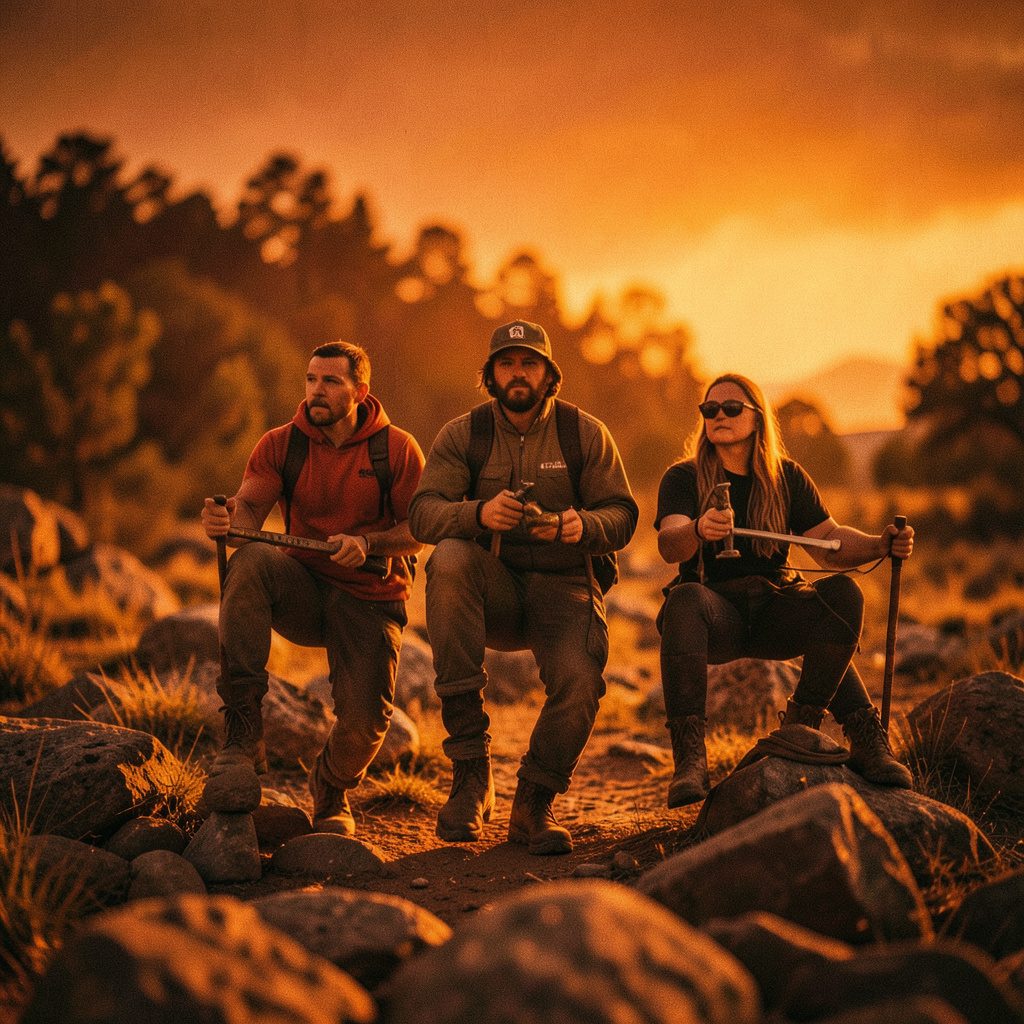
Photographing sunsets over the Clarion River is most rewarding when the landscape, weather and access plan are treated as parts of the shot. Western Pennsylvania’s wooded banks, bends and open stretches of water can frame a bright sky, while paddlers, anglers and birds add scale. The aim is to preserve the atmosphere around the sun rather than simply point a camera at the brightest light.
A good session begins well before golden hour. Scout a legal public vantage point, check the sunset time in local Eastern Time, and decide whether you will shoot from shore or combine the light with a paddle. That preparation leaves the actual arrival calm: arrive with the frame composed, a lens ready and enough time to watch the sky settle.
Find a West-Facing Viewpoint
Face west. Because the sun sets beyond the river’s western horizon, a position on the eastern bank or at a suitable bend gives you reflected sky, silhouetted trees and stronger foreground depth. Look for a section where the far bank is lower and open, then shift along the bank until the brightest part of the sky sits above an interesting ridge rather than behind a utility pole or dense canopy.
Access deserves as much attention as the view. Confirm that a path, parking area or boat launch is open and safe, and avoid private property, unstable banks and high water. Walk the location in daylight if possible, noting where foreground branches will appear. Return 45 to 60 minutes before sunset, unpack quietly, and use a headlamp with a red mode so the change in light is not interrupted.
Time the Light and Changing Weather
Use a sun-position app such as PhotoPills or Sun Surveyor to confirm the sun’s azimuth, sunset time and blue-hour window for the exact date. For western Pennsylvania, check the National Weather Service forecast or a nearby weather station. Look for broken cloud, a passing shower or distant haze; a completely clear sky often produces less colour than a textured one.
Australians coming from Melbourne’s Yarra River or Sydney Harbour should remember that the sun’s seasonal path is reversed. Pennsylvania’s low winter sun can sit close to the horizon, producing long orange light, while summer evenings remain bright much later. Local Australian photographers may call a late-afternoon attempt an “arvo shoot”, but on the Clarion the useful timing is the published sunset for the date, not home-country habits.
Long-distance itineraries add another layer of timing. If a trip also passes through eastern Indonesia, Pattimura Airport operates on WITA time, while Clarion County observes Eastern Time and daylight-saving changes. Check the connection date, local clock and daylight-saving shift separately, and carry a small power bank because batteries can drain quickly in cold weather or during prolonged phone navigation.
Choose Equipment for the Conditions
A versatile kit needs little more than a camera body, a wide-to-short zoom or a fast prime, a sturdy tripod and a lens cloth. A circular polariser can deepen water and foliage, but rotate it carefully: at sunset it can darken one part of the sky and leave another orange. If you want smoother water, bring a graduated neutral-density filter; otherwise leave it at home and work with shutter speed.
Clothing matters more than another lens. Pack layers, waterproof outerwear, grippy footwear and a dry bag if you will paddle. Australians often search for gear “hire”, while American sites more often use “rental”, so try both terms. Country Squirrel Outfitters’ rental collection provides a practical local option for kayaks, bicycles, seasonal equipment and outdoor essentials when travelling light.
Expose for Colour and Reflections
Exposure is easier to control before the colour intensifies. Shoot RAW, set manual exposure, start near ISO 100 and f/8 to f/11, and meter the bright sky rather than the dark trees. Watch the histogram and highlight warnings, then bracket two or three frames if time allows. A slightly underexposed frame often preserves sunset colour without turning the sky into a featureless white patch.
For reflections, focus manually on the brightest area you want sharp, place that area near a third of the frame and make a small test exposure. On moving water, try shutter speeds from about one second to one-quarter second for a silky current; for a paddler or bird with sharp movement, use a faster speed instead. A timer or remote release keeps the tripod still during long exposures.
White balance can be set to daylight and corrected later, especially if clouds shift the colour quickly. Keep some restraint in editing: a little warmth in the sky, natural greens and controlled highlights will look more convincing than heavy orange-and-teal treatment. Print or display images in sequence so you can compare the moment before sunset with the cooler blue hour rather than judging one frame in isolation.
Create a Strong River Composition
Treat the river as a series of layers. A low viewpoint can place textured water at the bottom, a canoe or branch through the middle and the coloured sky above. Vertical frames work when tall trees dominate, while wide frames suit broad bends and open water. Leave breathing room in the direction the current or a paddler is moving, because a subject placed at the edge with space ahead often feels more natural.
Wait for moments between posed scenes. A paddle entering the frame, a bird crossing the far bank or a fisherman working near dusk can provide scale without calling attention to the photographer. If the sun is too bright for the foreground, expose for it and allow people and trees to become silhouettes. A quick cross-check with practical gear notes can help confirm whether an accessory will solve a real problem rather than merely occupy the camera bag.
Build a Reliable Field Routine
Road travel requires one Australian adjustment: the United States drives on the right, not the left, and distances are shown in miles rather than kilometres. Allow extra time for rural roads, parking and a short walk to the water. Check access notes on the day, tell someone where you are going, and do not plan to paddle alone if river conditions or daylight are uncertain.
- Confirm sunset, weather, river level and legal access before leaving.
- Arrive 45 to 60 minutes early and scout with the camera unpacked.
- Carry water, a warm layer, headlamp and charged phone battery.
- Protect the camera in a dry bag and keep a cloth within reach.
- Use a stable tripod, manual focus and RAW capture.
- Finish safely before full darkness unless carrying proper boat lights.
If a kayak or canoe is part of the plan, reserve a launch window and confirm the return time before the light fades. The outfitter’s explanation of booking slot mechanics is a useful reminder to clarify start times, duration and any equipment included. Wear a personal flotation device, use a light at dusk and stay within conditions appropriate to your ability and the river.
The most memorable frames often appear after the official sunset, when colour drains from the clouds and artificial lights begin to trace the river. Keep the camera ready, but keep safety in charge: a secure footing and an unhurried exit matter more than one extra exposure.