






The best hiking boots for rocky terrain in Pennsylvania
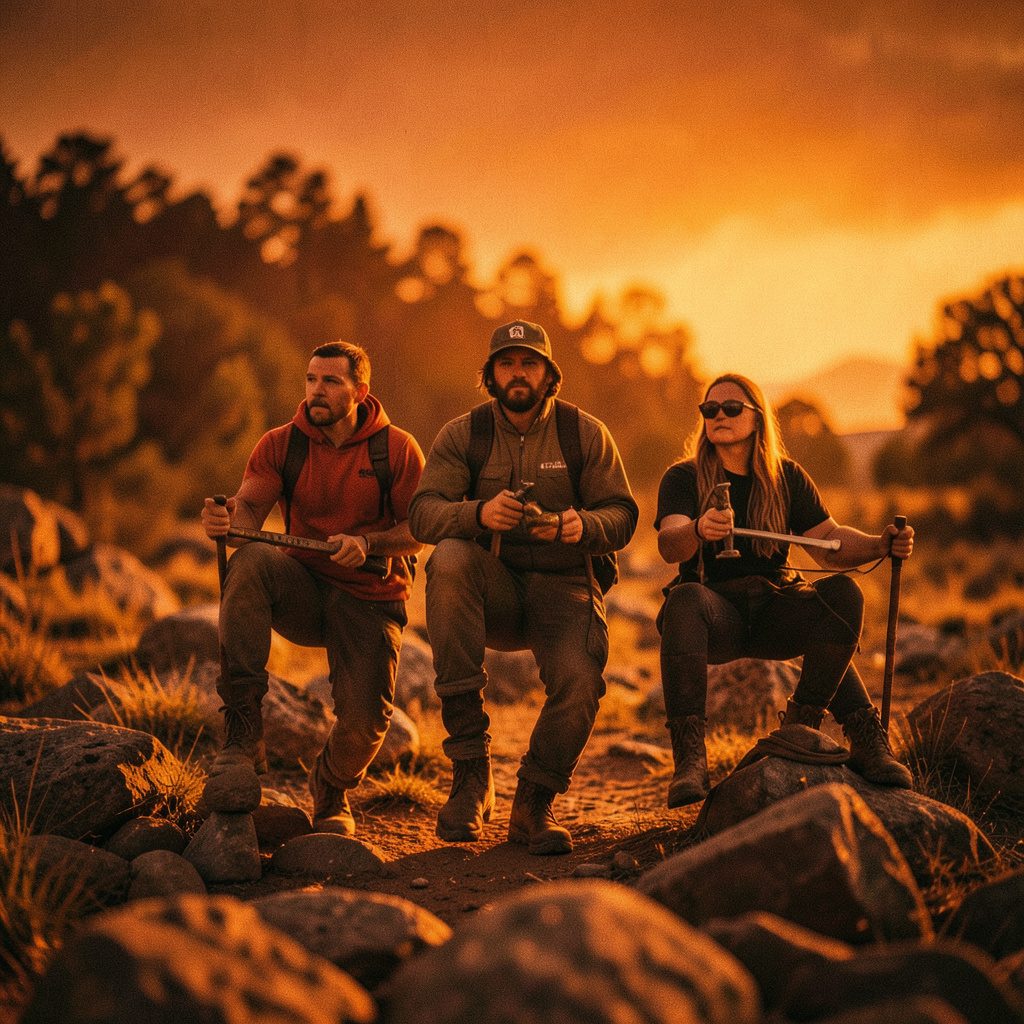
Pennsylvania’s northern Allegheny and Clarion River country mixes easy forest tracks with shale steps, slick roots, boulder fields and creek beds. The region around Laurel Hill, Ohiopyle and the Allegheny National Forest can change quickly after rain, while marked paths remain deceptively technical. A boot that grips rock, protects toes and holds the heel can make a long day safer and more comfortable, especially on descents where small balance errors become costly.
No pair suits every trail, and a heavy boot can be worse than a light shoe on a smooth route. The strongest choice balances traction, stability, protection, weight and dry-foot confidence, then fits the walker and forecast. This guide focuses on the rock, mud and changing ground around the Allegheny and Clarion River region while translating the buying details for visitors from Australia.
Match the boot to the route
Most trail footwear falls into three useful groups: low-profile trail shoes, mid-height hiking boots and more rigid backpacking boots. Maintained paths around Pennsylvania state parks may suit a shoe, especially for a short walk. Narrow side trails, talus slopes, wet stairways and routes with embedded rock reward a boot because the raised structure shields the toes and helps prevent the foot rolling over a sharp edge.
Begin with the route, not a brand. Country Squirrel Outfitters’ Pennsylvania trail ideas can help identify the surfaces and access points that shape footwear needs. For a forgiving greenway, prioritise cushioning and low weight; for a ridge or rocky descent, prioritise a secure heel, grippy outsole and protective toe rand. A stiffer boot feels more precise on uneven rock but can become tiring if its sole lacks flex.
Fit matters more than the label
Australian buyers often meet a sizing snag because a Pennsylvania retailer may label footwear in US or European sizes, while Australian consumers usually shop in AU sizing. Do not convert mechanically: footwear lasts differ between brands, so a US 9 may not equal an AU 9. Try the current model with the socks and insoles you will hike in, and check that the heel stays secure without lifting while the toes retain roughly thumbnail space.
Weather and walking habits also affect fit. Melbourne walkers face wet, changeable winters; Canberra hikers deal with cold, dry alpine conditions; Sydney users may encounter humid heat followed by sudden downpours. Wear thin wool or synthetic socks rather than thick cotton, keep toenails short and test boots late in the day when feet are more likely to swell. Boots fitted in a cool shop can become painful after an hour on a warm trail.
Traction and protection on broken ground
On rock, the outsole matters as much as the upper. Look for widely spaced, moderately deep lugs and a rubber compound designed for mixed terrain; a smooth casual sole can skate on wet shale. A heel brake, raised toe and full rubber toe rand protect against stones, while a rock plate helps prevent abrasion under the forefoot. These features are more useful on technical trails than extra decorative padding.
Upper construction should hold the foot without creating pressure points. Secure lacing at the ankle, a padded collar and a locked heel improve control, while a roomy toe box prevents the toes from striking on descents. For narrow feet, a boot with a precise heel shape may work better than a roomy model; for wider feet, look for brands that offer wide lasts or adjustable forefoot straps. Try walking on a slope, not only across a shop floor.
Water management across changing seasons
Pennsylvania rain, snow, leaf litter and mud can appear in the same week, especially in the Allegheny highlands. A waterproof membrane and sealed upper keep out saturated ground and cold spray, making them a sound choice for autumn walks, early spring trails and snow-season approaches. They are less comfortable for hot summer routes because feet cannot vent as effectively, and a damp boot that cannot dry becomes heavy and abrasive.
Breathable footwear dries faster and handles warm, humid outings well, provided the trail is not repeatedly flooded. Many hikers use trail shoes in summer and waterproof boots in cold weather rather than owning one pair for every condition. After a wet hike, remove the insoles and laces, brush away mud and dry the boots at room temperature. Avoid a radiator or aggressive heat, which can shrink leather and crack glued sections.
Test the pair against real trail demands
The best test is a loaded, time-specific hike. For a day walk, carry water, a light layer and snacks; for backpacking, add a sleeping bag, shelter and food, since extra load increases heel lift. Walk up and down a steep slope, step over roots and cross loose stones. If the forefoot can move freely while the heel remains planted, the boot is more likely to stay comfortable over many miles.
Multi-purpose outings make footwear consequences clearer. A field account of orange-breasted trogon photography describes long, humid waits in rainforest, where steady footing and equipment protection support patience far beyond a brief walk. Pennsylvania birding trips and local nature events can be similarly unhurried. Stable boots reduce the need to look down, letting a walker watch wildlife, negotiate creek edges and remain comfortable while waiting for a clear view.
Australian hikers also use closure and fire-ban information from NSW National Parks and Parks Victoria when planning bushwalks. The equivalent in Pennsylvania comes from state park and US Forest Service notices. A capable boot does not make a closed or hazardous trail permissible, so current access conditions belong in the plan beside footwear.
Buy from a seller who supports the decision
Australian outdoor markets already stock familiar global names such as Merrell, Salomon, Keen, La Sportiva, Lowa and Scarpa, so a shopper can compare several versions in specialist stores or established online marketplaces. Avoid unusually cheap listings and check the seller, return window and warranty terms. The most useful advice matches the boot to the route rather than assuming every hiking boot is better than a trail shoe.
Comparison matters for the same reason context matters in poker hand selection: a strong choice is only strong when it fits the situation. Ask a seller about the outsole, fit, membrane and intended use, then inspect the current model in person where possible. Purchases made in Australia are generally covered by the Australian Consumer Law, including guarantees against defects, while manufacturer warranties may provide repair or replacement outside that protection.
A practical shortlist for Pennsylvania rock
A shortlist should reflect terrain and use rather than rely on one celebrity model. Current versions worth trying include the Merrell Moab 3 Mid, Keen Targhee IV Mid, Salomon X Ultra 5 Mid, Lowa Renegade GTX Mid and La Sportiva TX Hike Mid, but fit can change the result.
- Merrell Moab 3 Mid: A balanced all-rounder for rocky day hikes, with useful grip, toe protection and moderate weight; try it for most forest and ridge routes.
- Keen Targhee IV Mid: Worth prioritising for wider feet or a roomy fit, with a protective toe and stable platform for long descents.
- Salomon X Ultra 5 Mid: A lighter option for maintained trails and fast approaches, best where ankle rigidity and maximum protection are not priorities.
- Lowa Renegade GTX Mid: A durable, weather-resistant boot for wet ground, early-season snow and trips where warmth and support outweigh low weight.
- La Sportiva TX Hike Mid: A precise, lighter boot suited to backpacking and mixed approaches, provided the fit stays secure under a loaded pack.
For most visitors heading onto Pennsylvania’s rocky forest paths, the Merrell Moab 3 Mid is the strongest place to begin: it combines secure footing, toe coverage and manageable weight without feeling excessively stiff. Keen’s Targhee IV Mid is the practical alternative for wide feet, while a waterproof Lowa or La Sportiva model earns its place when the forecast turns cold and wet.