







Snowshoeing and cross-country skiing at Cook Forest State Park
Cook Forest State Park turns its hemlock-and-hardwood landscape into a quiet winter destination in northwestern Pennsylvania. The 7,052-acre park protects forests around Lake Clarion in Clarion and Forest counties, with trails suited to snowshoeing, Nordic skiing and unhurried exploration beyond the main visitor areas. Learn more about Best Fishing Spots.
Winter visitors can create their own outing or seek advice from experienced local outfitters. Conditions may favour long, rolling routes on skis or a gentler walk on snowshoes, so the right choice depends on snow cover, trail difficulty, fitness and how much time you want to spend outdoors.
| Feature | Snowshoeing | Cross-country skiing |
|---|---|---|
| Best suited to | Walkers and first-time winter visitors | Skiers seeking faster, longer travel |
| Typical effort | Moderate, with more freedom of movement | Moderate to demanding, depending on terrain |
| Essential equipment | Snowshoes, poles and insulated boots | Nordic skis, boots and poles |
| Strongest conditions | Firm snow with room to manoeuvre | Consistently packed or groomed snow |
| Main advantage | Easy to pause for views, photography or wildlife | Efficient coverage of longer trails |
Explore the forest in winter
Cook’s wooded trails create a different experience from a lift-served alpine resort. Hemlock groves, hardwood ridges and lowland snowfields provide variety within a relatively compact park, while many routes also serve hikers and cyclists during snow-free months. Groomed XC ski trails may feel smoother and more direct, but snowshoeing expands access to routes where a wider stance is easier to manage.
Trail surfaces can change quickly beneath trees, beside streams or on exposed ridges. Ice may form where meltwater refreezes, and unmaintained sections can collect soft powder. A route that appears straightforward on a map may require careful turns around fallen branches, so comfortable footwear and realistic pacing matter more than covering the greatest distance.
Choose the activity that suits you
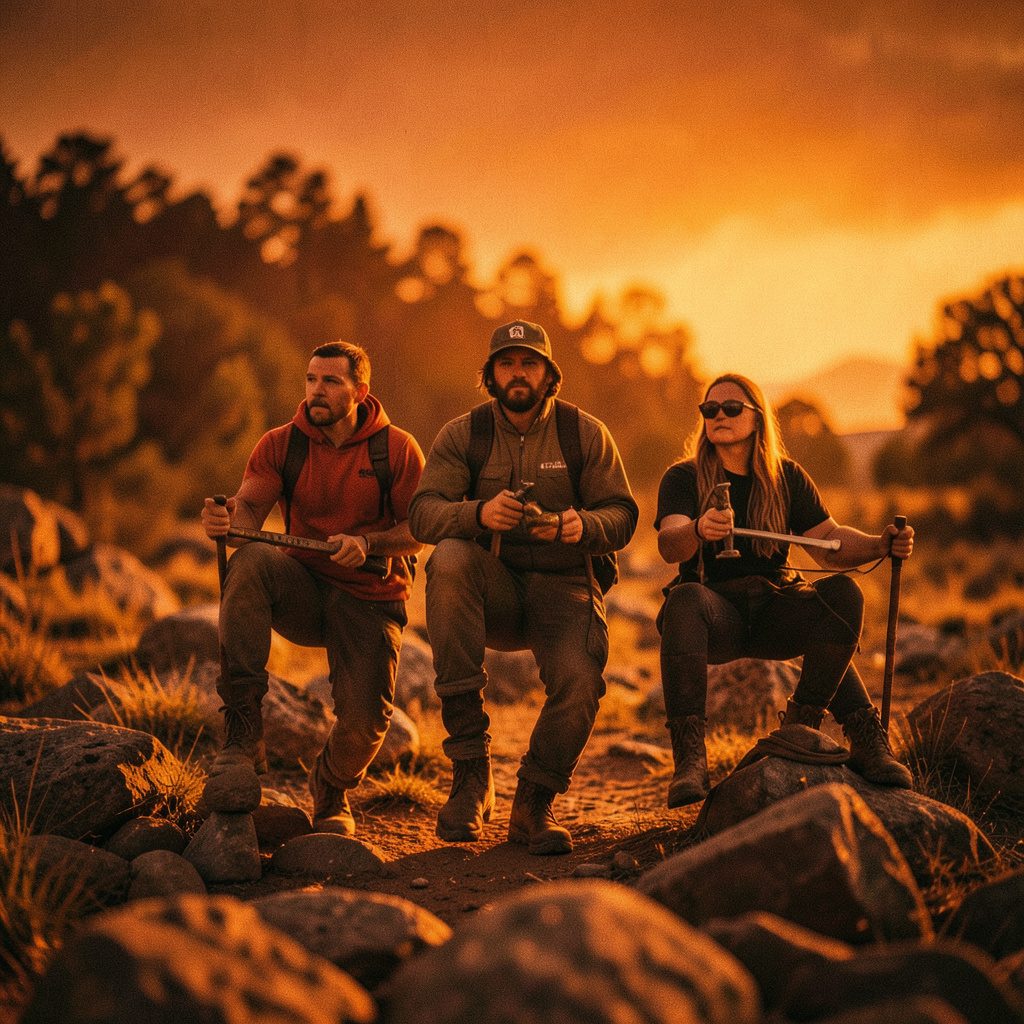
Snowshoes offer the most approachable way to experience the park. They spread your weight across soft snow, allow frequent stops and work well for families or visitors who prefer walking to skiing. Short outings around Lake Clarion or nearby trailheads can still reveal frozen pools, winter birds and tracks through the forest.
Cross-country skiing is more efficient on suitable snow and suits visitors with previous Nordic experience. Classic-style skis are forgiving on rolling trails, while skate skiing requires wider, flatter and better-prepared routes that may not be available throughout Cook Forest. Beginners with no skiing background should consider a lesson or choose snowshoes for their first outing.
Judge the snow before you set out
Snow in Cook Forest is variable, and a winter trail is not guaranteed to have continuous coverage. Cold air moving across Lake Erie can produce significant snowfall, yet warming trends, tree cover and previous foot traffic all affect the surface. Check official park reports, weather forecasts and recent trail observations immediately before departure.
Southern Hemisphere skiers are accustomed to planning around an alpine season from June to early October, while Cook’s more reliable winter window generally falls between December and March. For a wider view of how outdoor recreation markets influence trip planning, outdoor market research can complement local reports. Trail conditions remain the decisive factor, however, rather than a published snow-depth figure.
Hire equipment that fits the trip
Travellers who do not own Nordic equipment should contact the provider before arrival to confirm availability and reserve suitable sizes. Country Squirrel Outfitters offers seasonal equipment rentals, allowing visitors to compare snowshoes and cross-country ski packages without carrying bulky gear on an international flight. Early booking is particularly useful for boots, since rental stock in a small regional market can be limited.
Try on every boot and adjust the binding or snowshoe straps before leaving. Insulated layers, moisture-wicking socks, gloves, a water-resistant shell and spare warm layers are just as important as the snow equipment. Australia’s mature alpine-resort rental market has made this preparation familiar to many Melbourne and Sydney skiers, but equipment designed for Victorian pistes may still need different expectations on Cook’s untracked trails.
Follow Pennsylvania rules and local expectations
Cook Forest is governed by Pennsylvania’s state-park regulations rather than Australian alpine-area rules. Visitors should obey posted signs, remain on designated winter routes, protect trail surfaces and avoid moving snow equipment where it damages the surface for other users. Organised events and commercial guiding can require additional Pennsylvania Department of Conservation and Natural Resources permission, which should be confirmed with the operator.
The rental agreement and Pennsylvania law apply to equipment hired in Pennsylvania; an Australian Consumer Law guarantee does not automatically travel with an overseas rental transaction. Travel insurance, emergency contacts and the terms for damaged or missing gear should therefore be reviewed before collection. A waiver signed at an Australian resort should not be assumed to cover a different activity in Pennsylvania.
Everyday Australian travel habits also need adjustment. Melbourne residents may be used to driving to snowfields on a casual day trip, whereas visitors from Sydney or Brisbane often treat snow sports as a dedicated holiday. Pennsylvania trail distances are normally shown in miles, so Australian travellers should convert figures carefully and allow extra time for navigation, breaks and changing snow conditions.
Use a practical winter checklist
A reliable itinerary combines the right activity with conservative timing. Leave enough daylight for the return walk, identify a turnaround point and keep the first part of the route central to the planned distance. If the group includes children, beginners or skiers with limited balance, a shorter loop near the trailhead is usually more rewarding than attempting the longest marked route.
- Match skis to the route, using classic Nordic equipment unless a local operator confirms that skate skiing is practical.
- Check official snow reports, weather warnings, road conditions and trail closures on the day of travel.
- Reserve rental equipment early and test boot fit, bindings and poles before loading the vehicle.
- Carry water, high-energy food, a headlamp, charged phone, offline map and emergency insulation.
- Tell a reliable contact the route, companions and expected return time, especially where mobile reception is unreliable.
- Set a clear turnaround time and avoid descending icy sections if the group lacks suitable traction or control.
The same regional outfitter also publishes [regional fishing spots] for snow-free visits, including opportunities around the Clarion River that can complement a wider Pennsylvania itinerary. That combination of seasonal recreation reflects the character of the area: outdoor experiences shift with the weather, but the rivers, forests and small-town routes remain central to travel here.
For visitors from Australia, Cook Forest offers a change of pace from a crowded alpine resort, with winter travel measured by trail time, forest quiet and careful preparation rather than lifts or après-ski crowds.