






How to plan a group outing with Country Squirrel Outfitters
Learning how to plan a group outing with Country Squirrel Outfitters is less about choosing the most ambitious activity and more about matching the day to the people travelling. Start with energy levels, comfort with water or heights, equipment experience and the time everyone can genuinely spend away. That framework creates agreement before prices and routes enter the conversation.
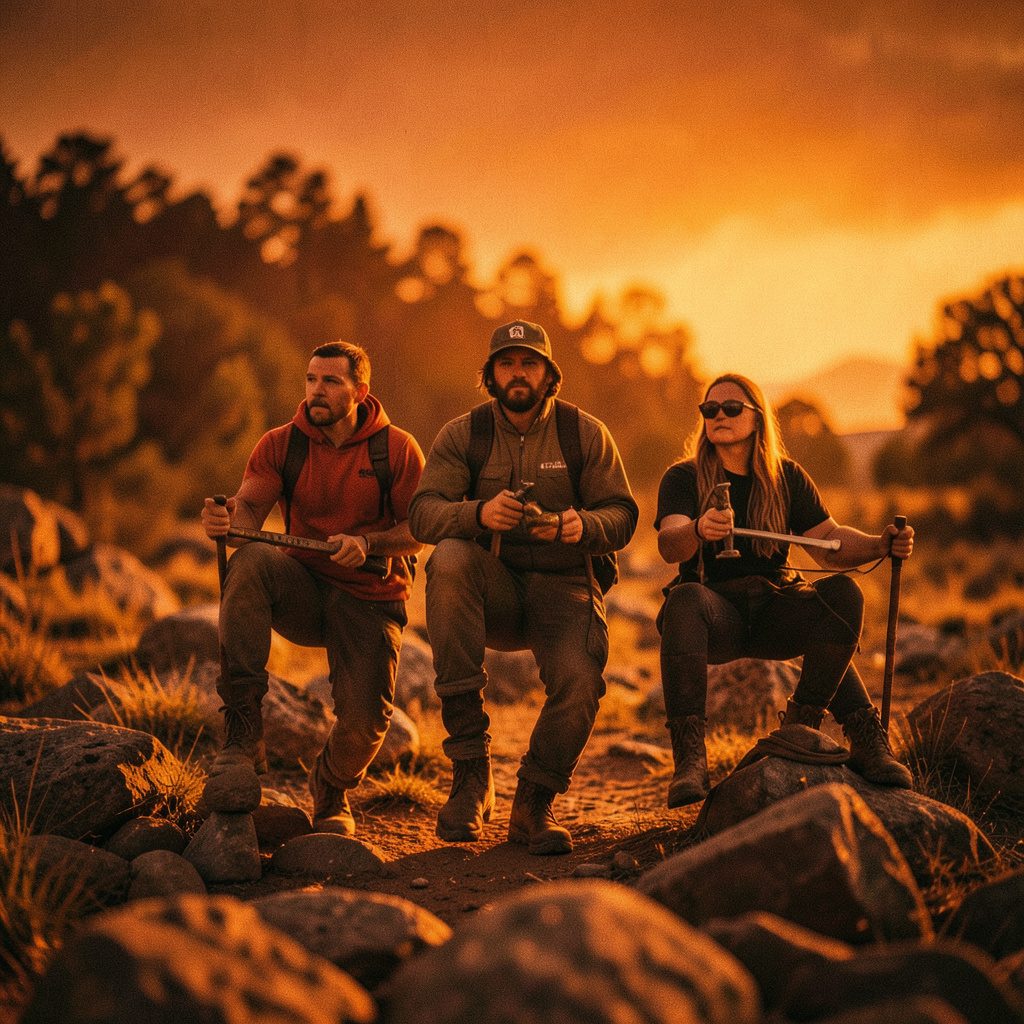
Country Squirrel Outfitters gives groups a practical range of options in Pennsylvania’s Allegheny and Clarion River region: kayak and canoe hire, bikes, seasonal snow equipment, camping and hiking gear, plus guided backpacking, hiking, cycling, river and rock-climbing trips. A self-guided outing and a guided trip can feel very different, even when they use the same valley.
Australian groups should also plan around familiar but easily overlooked realities. Weekend and school-holiday travel is popular in cities such as Melbourne and Sydney, so vehicles and guides can book out early. Prices are usually quoted in US dollars, while Australian travellers often budget in AUD and pay by card or digital wallet. Driving is on the right in Pennsylvania, the reverse of the Australian habit.
Distance, mobile coverage and weather can shape the itinerary more than the activity itself. River levels, storms, snow and trail conditions change quickly in the region, while some rural locations have patchy reception. Agree on a meeting point, an alternative plan and a clear cancellation or rescheduling process before deposits are paid.
Match the activity to the group
Begin with a short group survey and separate shared decisions from personal choices. The survey should cover fitness, swimming confidence, cycling experience, previous camping, dietary needs and whether anyone prefers a guided or independent day.
| Outing option | Best group fit | Main planning focus |
|---|---|---|
| Kayak or canoe outing | Groups comfortable near water | Water conditions, life-jacket fit and paddle skill |
| Guided hike or backpacking | Groups wanting local route support | Distance, camp logistics and guide availability |
| Bike outing | Cyclists with suitable road fitness | Route, bicycle fit and roadside support |
| Climbing session | Groups prepared for instruction and risk management | Participant readiness, equipment and supervision |
Use this comparison to identify one primary plan rather than turning the day into a chain of activities. Seasonal snow-equipment hire may suit a winter group when conditions permit, while a river trip followed by a long climb can work for an active group. Ask the adventure team which formats suit the group size, age mix and forecast.
Set the date, headcount and budget
Choose a date with a fallback and collect the headcount before selecting equipment. Australians often travel around long weekends, public holidays and school breaks, and regional accommodation can fill during those periods. Give the outfitter an accurate range, including children and slower participants, because that affects available boats, bikes and suitable routes.
Build a shared budget for hire, guiding, meals, transport, parking, permits and an emergency reserve. Request prices in writing and clarify what is excluded, when balances are due and which payment methods are accepted. If an evening gaming stop forms part of the wider itinerary, adults can review the regional wagering limits explanation, then check Pennsylvania’s licensing, age and venue rules separately.
Build a route around conditions and ability
For paddling, ask what is happening on the Allegheny or Clarion River: moving water, changing levels, wind and access points all affect the route. Confirm that every participant has a correctly sized personal flotation device and understands basic paddle commands. Beginners may benefit more from a sheltered introductory route than a longer expedition.
For land outings, match the route to the least experienced person without reducing the group’s enjoyment. The adventure team can advise on guided backpacking, hiking, biking, river and rock-climbing trips, including how much instruction each format includes. Groups joining a local outdoor event can also use that advice to connect a self-guided segment with the wider programme.
Pack for changing weather and terrain
Weather can shift between a sunny valley morning and a cold, wet afternoon. Build each person’s kit around layers, movement and the specific activity rather than a generic outdoor checklist.
The group can divide shared equipment into a short pool:
- Dry bags or waterproof pack liners
- Spare fleece, warm hats and gloves
- Headlamps with spare batteries or power banks
- Sunscreen, insect repellent and basic first-aid supplies
Each participant should then check a personal clothing set:
- Quick-drying base layers and weather-resistant outerwear
- Trail footwear with grip suited to the route
- A refillable bottle or hydration reservoir
- Personal medication, identification and an emergency contact card
Australian outdoor retailers often stock similar multipurpose layers and hydration products, yet sizing and warranty terms can differ from those in the United States, so labels and policies should be checked. Review the gear shop before everyone buys twice, and ask what is included with a rental or guided trip. Keep medication in labelled original packaging and secure loose items so they cannot obstruct a boat hatch or snag on climbing equipment.
Coordinate transport, meals and downtime
Set transport rules before departure. Australians are accustomed to driving on the left, whereas Pennsylvania uses right-hand traffic; include that change in the briefing and identify who will navigate. Confirm parking, vehicle access, shuttle requirements and the distance between a drop-off and launch point. Rural mobile coverage may affect check-in and pickup plans.
Plan food for the actual outing rather than assuming the day includes a sit-down meal. Ask about access to shops, water refill points, picnic areas and safe food storage. A designated meal and rest stop also helps groups with children or different energy levels. If an international stop precedes the Pennsylvania trip, such as an Indonesian segment, check Pattimura Airport onward connections, allowing a recovery buffer after long-haul flights and confirming baggage transfer when using separate tickets.
Use guides and local legal checks
Guided trips are valuable when the group wants local interpretation, safety systems and help managing terrain. Tell the adventure team about medical conditions, allergies, previous injuries, swimming ability and fears such as heights or fast water. A good guide match depends on clear information, and participants should leave time to hear the safety briefing rather than treating it as an optional preamble.
Check the rules applying to the chosen location, including Pennsylvania park permissions, river access requirements and activity-specific supervision. Australians planning similar trips at home should remember that state and territory rules differ for fire bans, fishing, wildlife and trail access; a rule familiar from Victoria may not apply in Queensland or Tasmania. Travel insurance, emergency contacts and the Australian government’s Smartraveller advice are sensible checks for international travel.
Confirm the final group details
Send one final roster with names, contact details, equipment needs and dietary requirements, then reconfirm the start time, meeting point, guide, payment status and weather procedure. Ask when the operator will make a proceed-or-cancel decision and what happens if water levels change. Keep the outfitter’s emergency number with the person handling the group’s travel insurance.
On the day, appoint a leader for attendance, another for equipment and a third for navigation or communications, keeping the guide in charge of activity decisions. Leave a copy of the itinerary with someone not attending, photograph permits and bookings, and allow time for the gear fitting. Clear ownership of these details gives the group a calm start without avoidable delays.