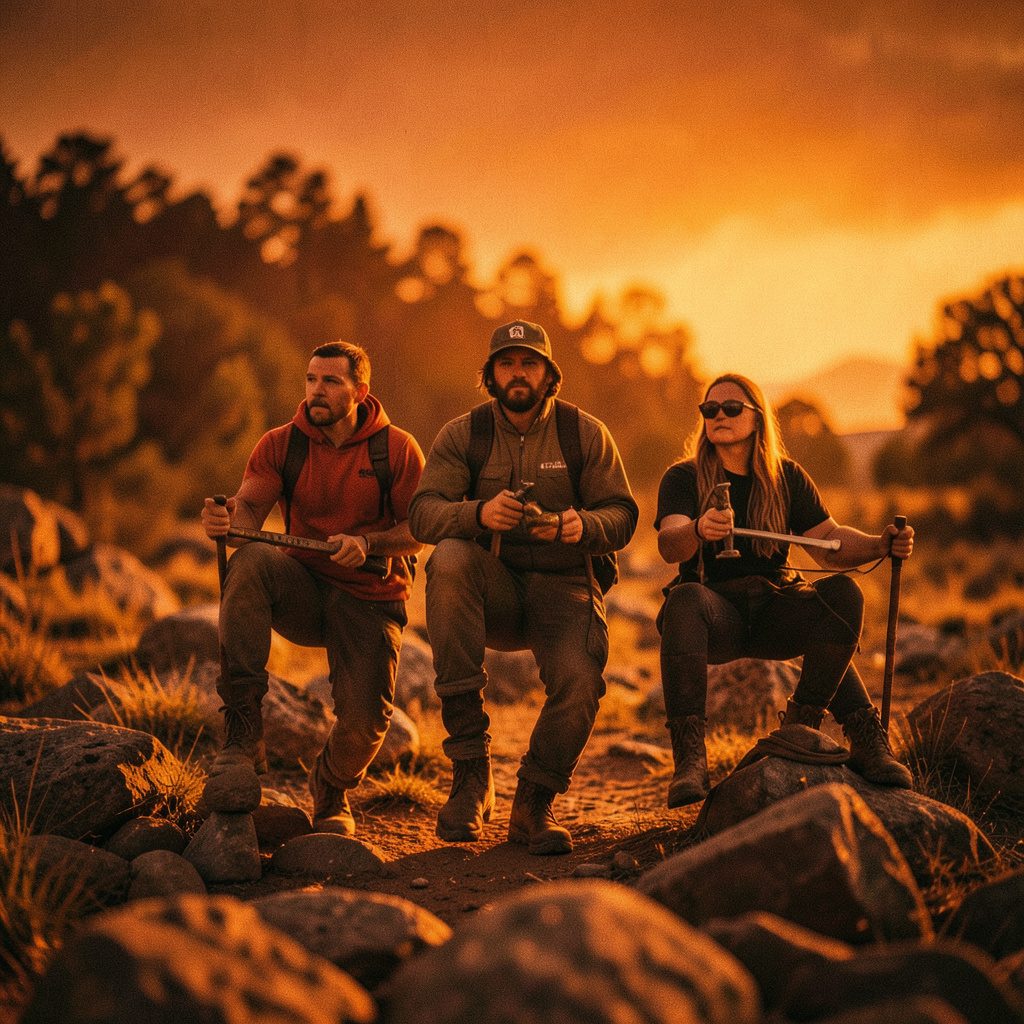





Packing light for a guided overnight hiking trip
A successful overnight walk depends on carrying only what the route, forecast and guide require. A guide may supply the tent, stove and group medical kit, so duplicating those items adds bulk without adding safety. Your pack still needs to cover personal sleep, clothing, food and emergencies.
Australian bushwalkers often call a multi-day trek or outing a walk, and a guide may ask the group to meet at campground at arvo. That local habit matters because daylight can be short, campground shops may close early, and transport to a remote trailhead needs advance planning.
Conditions vary sharply across Australia. An overnight walk in the Blue Mountains can sit beside a cold, windy plateau, while the Grampians and alpine areas around Kosciuszko can bring frost despite mild daytime temperatures. Use the guide’s local advice to set the actual load rather than packing for every possible night.
Build a practical packing list
Request a written brief covering distance, ascent, camp type, food arrangements, water sources, weather and the guide’s load-in rules. Clarify who carries the tent, stove, fuel, pots, group first aid and navigation gear. A trip budget planning framework can also help compare hire fees, transport and food before paying a deposit.
Divide your gear according to when you need it:
Wear or carry during the walk
- Wide-brimmed hat, sunglasses and SPF 50+ sunscreen
- Water bottle or hydration bladder with electrolytes
- Windproof shell and an insulating mid-layer
- Phone, power bank and emergency contact card
- Trail snacks, offline map and personal blister kit
For overnight items, keep only what belongs to you rather than duplicating group equipment:
Reserve for overnight camp
- One-person shelter only if the guide requests it
- Sleeping bag or quilt with an appropriate comfort rating
- Insulated sleeping mat and dry sleeping bag liner
- Dry sleep clothes, warm socks and a beanie
- Small toiletries kit and a quick-dry towel
Before departure, place the items you will wear or eat in easy-access pockets and keep everything else in the main pack. Check each item against the written list, then remove anything without a clear purpose. A light, well-organised pack feels much better on a long climb.
Choose the right shelter and sleep system
Before buying anything, confirm whether the guide provides the tent, fly, groundsheet, stove and fuel. Some trips operate as fully equipped group walks; others expect each walker to carry selected personal items. Follow the operator’s system rather than buying duplicate gear on assumptions.
Choose a sleeping bag or quilt with a comfort rating around 5°C below the forecast minimum, not merely the advertised temperature limit. Match the mat’s insulation to the ground, and use a breathable liner to add warmth without much weight. Synthetic or merino insulation handles damp conditions better than cotton.
At camp, keep the sleeping bag dry inside a waterproof liner and ventilate damp gear whenever possible. For an alpine night near Kosciuszko, even a sealed tent can become cold after a clear, still evening. A dry base layer and an extra pair of socks often provide more warmth than another heavy item.
Dress for Australian sun and changeable weather
Australian sun exposure demands more than a T-shirt and shorts. Wear a broad-brimmed hat, sunglasses rated for strong UV, sunscreen and a light long-sleeved shirt. Add insect repellent where the route crosses wet vegetation, and use a poncho or pack cover when rain arrives without warning.
Build clothing in three light layers: a wicking base, a warm fleece or wool layer, and a hooded waterproof shell. Cotton jeans and shirts absorb water and become cold, so choose quick-drying alternatives. Keep one warm layer accessible rather than buried, since temperatures can fall quickly after sunset.
Weather can differ between valley and ridge in the Blue Mountains, while exposed camps in the Grampians remain windy even without rain. In the Australian Alps, spring snow and freezing nights call for insulated footwear, a hat and gloves. Check the forecast at the actual elevation and pack for the coldest expected hour, not the warmest daytime reading.
Plan food and water for the camp
Ask whether food is included, divided among walkers or carried as personal meals. Familiar, high-energy foods such as oats, wraps, noodles, dried fruit and nuts pack down well. Label allergens, avoid glass and cans, and use a reusable container that fits inside your pack.
Carry enough water for the hottest part of the day, plus the amount your guide specifies for camps and emergencies. In many Australian reserves, creek water needs treatment and should never be assumed safe. A filter, purifier or appropriate chemical tablets adds little weight but answers a major question if the route crosses reliable sources.
Rural campground kiosks can be limited, expensive or closed outside local hours, so bringing a supermarket meal is often sensible. At NSW and Victorian campsites, observe local fire restrictions, including Victorian total fire bans, and never light a stove or fire where prohibited. Store food in the designated locker or a correctly hanging bag to keep wildlife out.
Cover navigation, emergencies and transport
Read the route brief and download the map before the signal disappears. Carry a charged phone in airplane mode, a power bank and a simple compass if the guide recommends one. Agree on the group’s stopping points and what to do if someone falls behind, and keep those instructions accessible during the walk.
Confirm that the guide carries appropriate group first aid, communication equipment and an emergency beacon. Know when 000 or 112 can be called from a mobile, and provide any allergies, medications and fitness concerns before departure. A small personal blister kit is useful, but carrying a duplicate group medical load is not.
Clarify the pickup point, travel time, luggage transfer and walking distance from the vehicle. If a bicycle forms part of the journey to the trail, use a local operator’s rental bike checklist to check saddle height, brakes and luggage compatibility. Helmets and other required safety items should be fitted before loading the bags.
Weigh, organise and test the pack
Weigh the empty pack, then weigh it again with your personal kit, food and fuel. Ask the guide for a base-weight target and note whether shared equipment reduces what each person must carry. Working in kilograms and checking packed dimensions prevents a technically light item from creating an awkwardly bulky load.
Place dense items close to your back, balance heavier gear on both sides and keep wet layers accessible in waterproof liners. Use compression straps only on soft goods, and do not strap a tent outside the pack unless the guide allows it. If you fly to Australia, confirm that poles, knives, fuel and stoves meet airline and conservation-area restrictions.
Rehearse the pack on a short local walk, including rain and a rest break. Before finalising the booking, ask for a route brief that identifies gates, water sources, access roads and bail-out points; Country Squirrel’s riding the Allegheny trails shows why terrain, local access and weather belong in the same conversation as distance.
Follow local camp habits and leave no trace
Book the campsite where bookings are required, arrive before dark and note the nearest toilet, water tap and ranger contact. Use the toilets provided and pack out toilet paper, tissue and all rubbish. In remote areas, a single unexpected item can remain in the landscape for years.
Respect wildlife by keeping food sealed, never feeding animals and checking tents and bags for insects before settling in. Keep the camp small, avoid cutting branches or moving rocks, and leave the site cleaner than you found it. These habits match Australian bushwalking etiquette and make the experience better for the next group.
Check the forecast, fire danger rating and campground notices again on the day, and make a firm turnaround time with the guide. If the group is delayed, tired or the weather turns unsafe, changing the plan protects both people and the booking. A well-judged light pack supports that flexibility by keeping personal essentials close, leaving shared equipment uncluttered and making an honest change of plan easier.