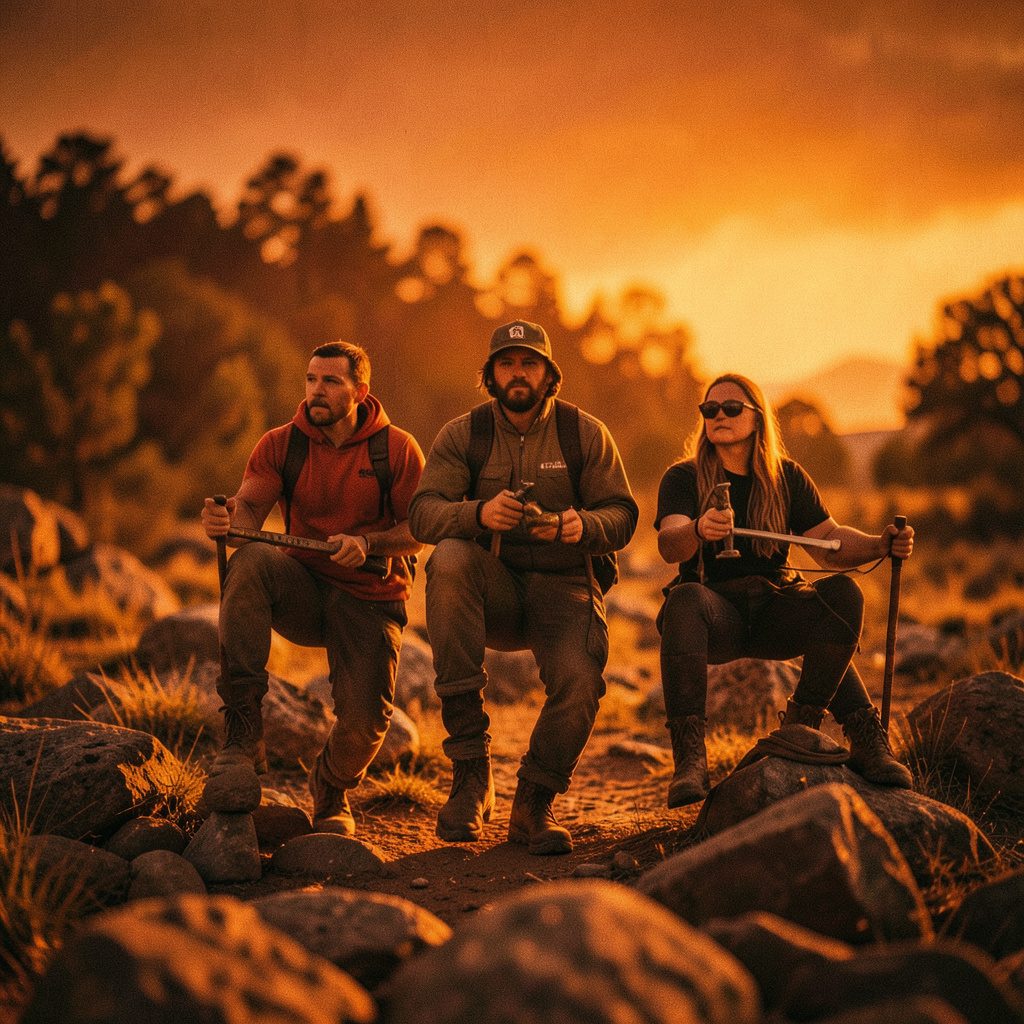









A Balanced Hiking And Kayaking Weekend In Pennsylvania
A weekend that combines a trail day with time on the water gives Australian visitors a fuller experience of Pennsylvania’s Allegheny and Clarion River region. Forested ridges, quiet coves and flowing river sections create a varied break from the coastal scenery many travellers know around Sydney, Melbourne or Brisbane.
The key is to treat the two activities as complementary rather than trying to fit every possible adventure into one schedule. A moderate hike can leave enough energy for paddling the following morning, while a relaxed kayak trip can finish the weekend without requiring a second full day of steep climbs.
Country Squirrel Outfitters helps travellers arrange kayak and canoe hire, bike rentals, seasonal snow equipment and outdoor gear. Its adventure team also leads hiking, backpacking, biking, river and rock-climbing trips, giving first-time visitors a useful way to understand local conditions before setting out independently.
Australians planning around school holidays, long weekends or a multi-stop North American trip should allow for travel time and an early start. Distances in rural Pennsylvania can feel different from a compact Australian national park, and changing weather, river access points and daylight hours deserve attention when building the itinerary.
Choose The Right Order For Your Weekend
For many visitors, hiking on the first day and kayaking on the second is the simplest arrangement. Trails are easier to enjoy while legs are fresh, and a day on the river offers a gentler finish. Choose a route with moderate elevation rather than beginning with an ambitious backpacking loop.
A Friday evening arrival can work well if you stay near the Allegheny or Clarion River corridor. Use Saturday morning for a ridge, woodland or riverside hike, then spend Sunday paddling. Travellers coming from Melbourne or Perth may need to account for jet lag, so a shorter first walk can be wiser than a demanding summit attempt.
Build A Two-Day Itinerary That Breathes
A practical schedule might begin with breakfast, a three-to-five-hour hike and a late afternoon devoted to checking weather, river conditions and equipment. Keep the evening simple: refill water, dry clothing and prepare food rather than adding another strenuous activity.
On the second day, launch after a safety briefing and allow time for transport, breaks and changing clothes. A half-day paddle leaves room for a scenic stop or an unhurried drive. This approach suits Australian travellers used to planning around school-holiday traffic near the Great Ocean Road, Blue Mountains or Gold Coast, where ambitious schedules can quickly become tiring.
If your group wants more structure, a guided river or hiking trip can remove much of the logistical pressure. A local guide can explain access points, current behaviour and trail etiquette while keeping the pace suitable for the least experienced member.
Pack For Forest Trails And Open Water
Layering matters because temperatures can shift between shaded woodland, exposed rock and a cool river. Quick-drying clothing, a light insulating layer and a waterproof shell are more useful than packing a separate outfit for every activity. Avoid cotton for the paddling day, especially if the forecast is unsettled.
Australian travellers should remember that North American outdoor clothing sizes and terminology may differ from what they see at home. A properly fitted personal flotation device is essential, and footwear should suit both wet launches and uneven ground. Pack sun protection even in cooler months: UV exposure can still be significant when reflected from water.
Useful items for a combined adventure include:
- Lightweight hiking shoes with reliable grip
- Quick-dry shorts or trousers and a warm spare layer
- Reusable water bottles and compact trail snacks
- Waterproof phone case, map and small first-aid kit
- Sun hat, sunscreen and insect repellent
- Dry clothes stored in a sealed river bag
Keep one complete change of clothes in the vehicle or shuttle bag. Wet paddling gear can make the drive uncomfortable, and a dry layer is valuable if a riverside lunch becomes cooler than expected.
Match The River To Your Experience
Kayaking and canoeing are different from a calm-water outing on an Australian urban lake. River flow, submerged branches, rocky edges and changing water levels can affect the route. Beginners should choose a calmer section and follow local advice rather than judging difficulty from distance alone.
A canoe can be a comfortable option for two people sharing gear, while a kayak may provide easier individual control. Families and mixed-ability groups should select a route based on the least confident paddler. A short, scenic section is often more enjoyable than a long trip that leaves everyone rushing to finish before the take-out point.
Before launching, confirm where to enter and leave the water, how boats will be transported and what to do if conditions change. Never assume that a phone will have reliable reception along a wooded river corridor.
Use Local Equipment And Regional Knowledge
Travelling with camping and paddling gear from Australia can add baggage fees, airline restrictions and unnecessary bulk. Hiring locally allows you to choose equipment suited to the river and season. You can review rental options for kayaks, canoes, bikes and other outdoor needs before you arrive.
Local staff can also help match a hike and paddle to your available time. Ask about launch logistics, shuttle arrangements, footwear, personal flotation devices and whether recent rainfall has altered the river. The same conversation may reveal quieter trailheads or a better route for a group with children.
The regional outdoor market has a practical, community-minded character. Small outfitters, independent cafés, campgrounds and local events often provide more useful information than a generic national travel site. Carry US dollars or a reliable payment card for small purchases, and check opening hours because rural businesses may keep seasonal schedules.
Plan Around Weather And Daylight
Weather can change quickly in the hills, so check the forecast for both the trail elevation and the river corridor. Rain may make rocks slippery, raise water levels or reduce visibility. Thunderstorms call for caution around exposed ridges and open water, while cold conditions make wet clothing a genuine safety concern.
Seasonal patterns also influence wildlife activity and the feel of the landscape. Birdwatchers may find it useful to compare how weather affects animal movement in other regions through this overview of monsoon bird activity, while remembering that Pennsylvania has its own forest, migration and river conditions.
Use the following checks before each activity:
- Confirm the local weather, water level and daylight window
- Tell someone your route, launch point and expected return
- Check that every paddler has a correctly fitted flotation device
- Carry food, water, navigation tools and emergency communication
- Postpone exposed hiking or moving-water paddling during storms
Early starts are especially useful for visitors accustomed to Australian summer daylight. In Pennsylvania, sunset times vary considerably through the year, and a route that feels easy at midday can become confusing in thick forest after dusk.
Make The Plan Work For Every Traveller
A combined weekend should include choices for different fitness levels. One person may prefer a long hike while another wants a shorter nature walk, and a group can still meet later for a shared meal or paddle. Bike hire may offer another way to explore quiet roads without adding a second strenuous climb.
Discuss comfort levels before booking. Some travellers will be relaxed in a kayak but uneasy on a narrow trail, while others may prefer a guided hike and self-directed time on the river. Country Squirrel Outfitters can help clarify the difference between a scenic outing and a more technical adventure; contact the team before finalising a route.
Food planning is part of the experience. Pack familiar snacks for the trail, then try regional food after the paddle rather than relying on a remote riverside shop. Visitors from Australia may notice that serving sizes, tipping customs and driving distances differ from home, so allow extra time for meals and fuel stops.
The best hiking and kayaking weekends feel active without becoming a race. With a sensible sequence, suitable equipment, weather awareness and local guidance, Australian visitors can enjoy Pennsylvania’s forests and rivers at a pace that leaves room for scenery, conversation and a comfortable journey home.