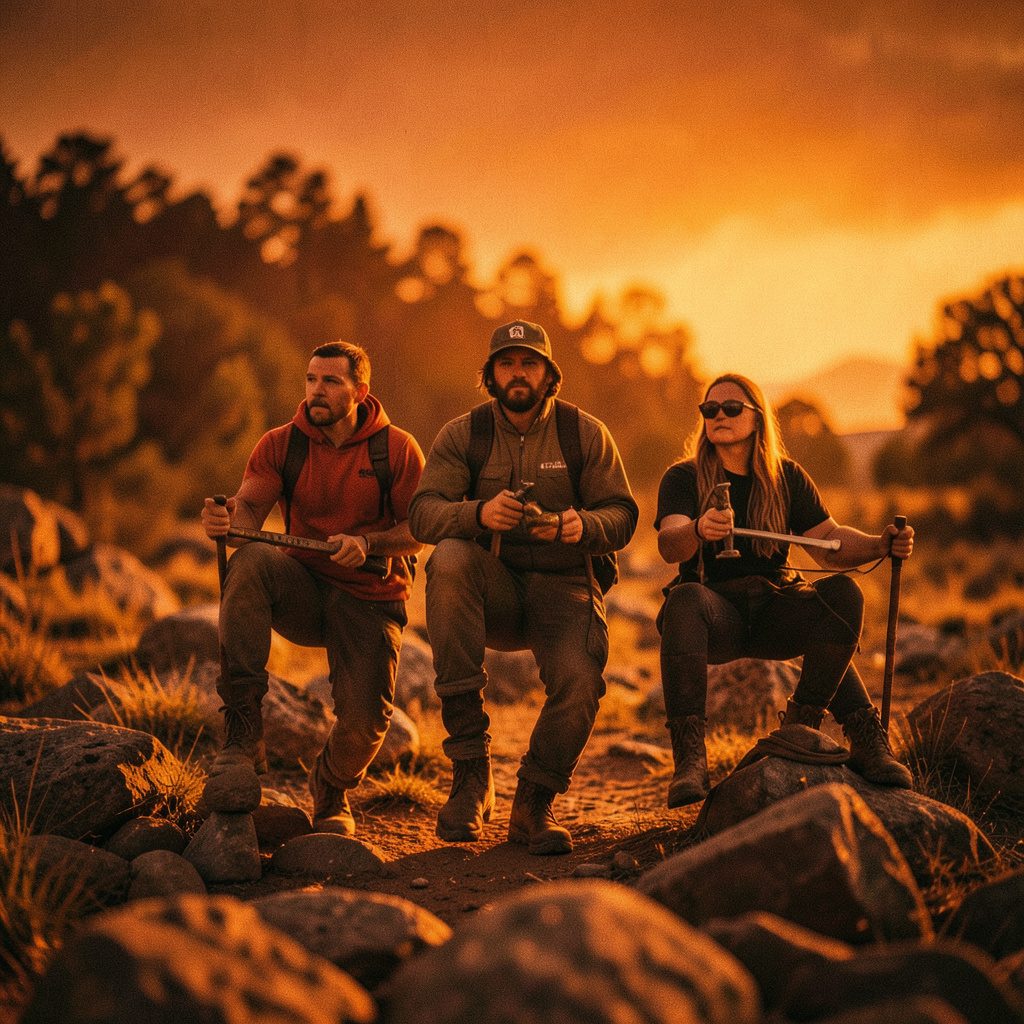









Hiking the Minister Creek Trail: A must-do in the Allegheny Forest
Minister Creek Trail winds through the Allegheny National Forest beside a creek that gives the walk its rhythm. The common full out-and-back covers roughly 11 kilometres, with about 120 metres of elevation gain, so it feels substantial without demanding alpine experience. Hikers move between hemlock shade, mixed hardwood forest, streamside crossings and open sections where the valley opens. Water, sound and forest texture do much of the work, making the route one of the region’s most rewarding introductions to the Allegheny landscape.
For Australian walkers, the main adjustment is seasonal rather than technical. Pennsylvania’s northern summer brings humidity, thunderstorms and the remains of winter snow, while the clearest trails usually arrive from late spring into autumn. The opposite timing to Melbourne or Sydney can work in a traveller’s favour: a July or August visit offers cooler conditions, and a September walk can bring brilliant foliage. Many visitors arrive jet-lagged after a long flight through Pittsburgh, so the trail rewards a slow first morning rather than an ambitious overnight.
Why Minister Creek belongs in an Allegheny itinerary
The forest around Minister Creek protects old-growth stands and mature second-growth woodland, creating a much wilder impression than its modest distance suggests. Creek-side ferns, eastern hemlocks and hardwoods frame the route, while seasonal changes continually redraw it. This is a place best walked at conversation pace, with enough time to stop at pools, watch for birds and notice where the water has carved its path.
Minister Creek also sits within a broader outdoor region shaped by the Allegheny and Clarion River landscapes. Nearby roads lead to cycling routes, paddling launches and other forest trails, allowing a walking visit to become a multi-activity weekend. Country Squirrel Outfitters supports that mix with kayak and canoe hire, bicycles, seasonal snow equipment and camping supplies, plus guided backpacking, hiking, biking, river and rock-climbing trips.
Check the adventure events calendar before booking travel; it is the easiest way to see when local gatherings, guided outings or community outdoor events coincide with a visit. These listings also help solo walkers identify a suitable group or activity when they want company without surrendering control of their own itinerary.
Matching the trail to the seasons
Timing matters because each season gives the forest a different character. Spring brings wildflowers, saturated ground and the occasional swollen creek; summer adds deep shade but also humidity; autumn delivers leaf colour and firmer footing; winter can turn the route into a quiet snow walk. For visitors from Australia, June to October generally offers the easiest walking weather, although a light layer and waterproof shell are sensible even on warm forecast days.
Pennsylvania weather can change faster than a phone forecast suggests. A clear morning may produce thunderstorms by afternoon, and heavy rain can make the creek rise quickly or turn slippery slabs beside the water hazardous. Check conditions locally, keep a conservative turnaround time and avoid treating a low-water crossing as safe after rain. The full return usually takes three to four hours, allowing generous pauses without requiring technical scrambling.
Wildlife watching is part of the experience, but food storage needs care. Black bears occur throughout Pennsylvania, and the appropriate response is to keep food and scented items secured, never feed wildlife and follow current bear-storage rules. In hunting seasons, some local paths also attract hunters, so bright blaze-orange clothing may be required or strongly advised. A quick check of Pennsylvania Game Commission information protects both walkers and the people already using the forest.
Packing for Pennsylvania’s changeable weather
Good footwear and adaptable layers matter more than heavy equipment. The forest floor can hold mud, roots and loose stones, while shade makes temperatures feel cooler than an open Australian summer day. Wear broken-in footwear with good grip, merino or other quick-drying layers, and a shell that keeps rain out while allowing perspiration to escape. Walking poles are useful on damp descents even though the gradient is moderate.
Anyone buying equipment through the Australian market can compare sports gear options against standard hiking-kit lists, but specialist footwear should be tried on rather than selected from appearance alone. Hire or purchase large items—poles, packs and shelter—close to departure, and use a familiar daypack for this route. That avoids paying for gear that is awkward to store on the flight or uncomfortable on the trail.
- Carry at least two litres of water on a warm day and more in humid weather; a refillable bottle reduces disposable plastic.
- Bring a compact first-aid kit, blister care, sunscreen, insect repellent and a tick-removal tool.
- Download the route map for offline use, carry a compass and recognise the trailhead markers before setting off.
- Pack a headlamp, charged power bank and spare batteries for unexpected delays or an emergency.
- Keep snacks accessible for energy, but store all food according to local wildlife guidance.
- Tell someone your route and expected return time, and check whether mobile reception is available.
A lightweight ten-kilometre pack leaves room for water, layers and safety items without becoming cumbersome. Because the weather can swing quickly, add one warm mid-layer even when the forecast looks mild. At the creek, treat all water as untreated and carry the filter or tablets specified in your kit rather than relying on a clear mountain stream.
Choosing a guided or self-guided experience
Self-guided walking suits experienced Australian bushwalkers who are comfortable reading a map, managing variable weather and turning back when conditions change. It also feels more immediate: the pace, pauses and decision to extend the walk remain entirely your own. A first visit to the Allegheny Forest can work well this way if the trailhead, transport and return plan are arranged beforehand.
For anyone comparing formats, the advice on choosing can help identify the support and equipment included with different excursions. Look for a guide familiar with Minister Creek and local conditions, clear safety practices, a realistic group size and a plan for bad weather. “Guided” should mean local knowledge and responsible decision-making, not simply transport between viewpoints.
Country Squirrel Outfitters offers guided hiking and backpacking for visitors who prefer that level of support, alongside river trips, biking adventures and rock-climbing sessions. A guided walk can also be combined with canoe or kayak time on the Clarion River, creating a balanced day of paddling and forest travel. For families or mixed-experience groups, a local operator can adjust the route and pace to the least confident member.
Building a broader adventure in the Clarion region
Allow time for the region’s geography rather than treating the forest as a suburban park. Pittsburgh International Airport is the main Australian gateway, followed by a drive north-west to the Allegheny and Clarion country. Cell coverage can be inconsistent away from towns, so download maps before leaving the city. Purchase prices are in US dollars, and Pennsylvania sales tax is generally added to eligible retail goods, so budgeting in Australian dollars requires a little extra margin.
Those who want to spend more time with local outdoor culture can explore the join the team options for assisting with adventures, events or community activities. It is also worth asking the outfitter about less formal activities, such as group paddles, equipment demonstrations and seasonal hikes that pair with the main trail. Sharing transport with other visitors can reduce costs and make isolated trailheads less intimidating.
Australians accustomed to Leave No Trace will recognise the local expectation: carry out every scrap, remain on the marked route and leave creek banks undisturbed. By late afternoon, the familiar sound of traffic from a distant highway can fade into running water, wind in the canopy and quiet wildlife movement through the undergrowth. That shift in atmosphere is the lasting appeal of Minister Creek: a manageable forest walk with the depth of a larger wilderness experience, rewarding preparation, curiosity and enough time to let the Allegheny Forest unfold at a human pace.