






Guided rock climbing at Seneca Rocks: what to expect
Seneca Rocks rises above the Allegheny hills in Pennsylvania’s Forest State, offering sandstone routes, sweeping forest views and a mix of movement styles suited to first-time climbers and experienced visitors. A guided session turns that striking landscape into a structured introduction to climbing, with local knowledge guiding route choice, equipment and pacing. Learn more about Poker Exploitative Play.
Most introductory sessions use top-roped routes, where the guide controls the rope from above. More experienced climbers may work on lead routes, depending on their ability, the guide’s assessment and current conditions. Equipment, instruction and a clear safety plan are central to the experience.
Australian visitors should expect a few useful adjustments. Route lengths are stated in yards, grades use the 5.12 system, prices are in US dollars and weather may be reported in Fahrenheit. The climb season also runs opposite to Australia, making Pennsylvania’s summer and autumn particularly appealing for travellers from Sydney or Melbourne.
Your first guided climb
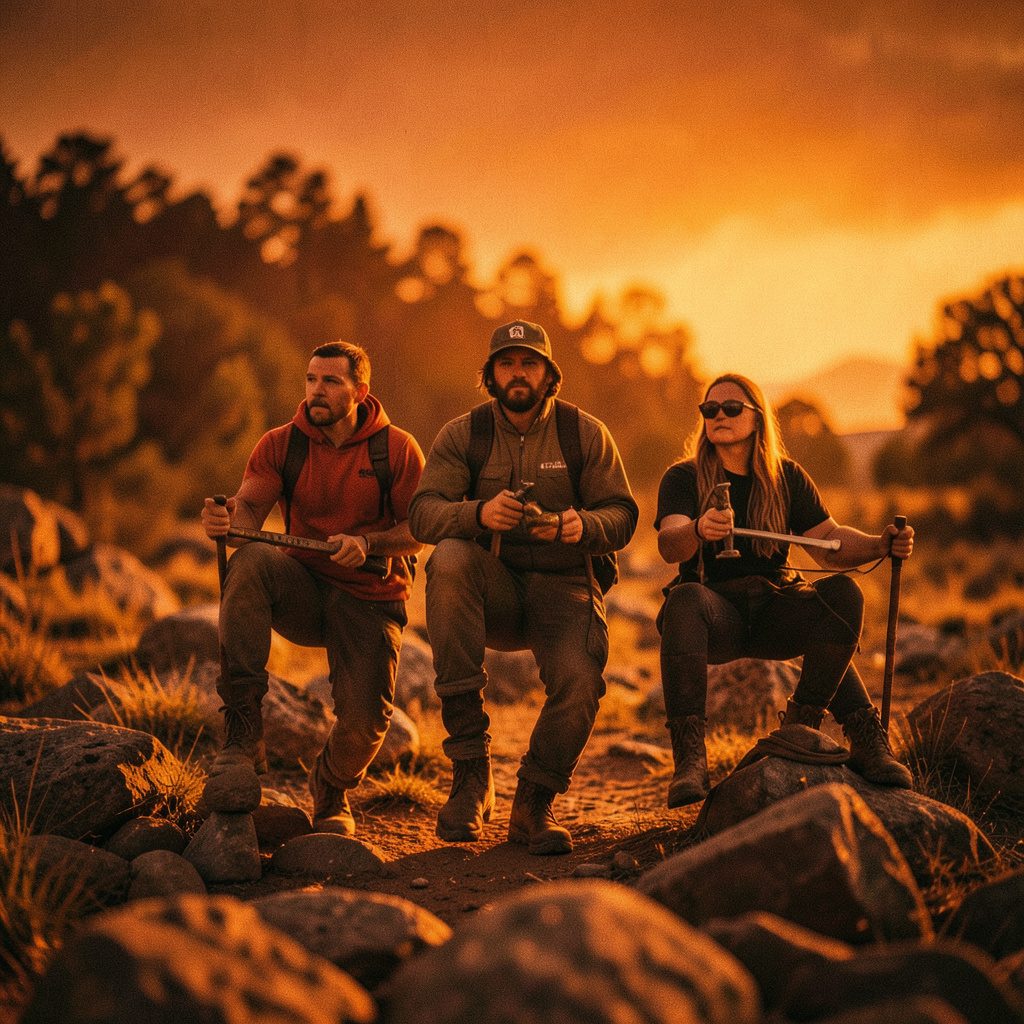
Sessions commonly begin with an equipment check, movement demonstration and discussion of the routes ahead. Your guide will explain belaying, rope commands, communication signals and what to do if you need a rest. Beginners are usually introduced to basic footwork and body positioning before leaving the ground.
The first climb can feel surprisingly calm once the rope is set up. A stable stance, relaxed grip and deliberate movements matter more than reach or strength. Guides commonly suggest pulling gently rather than forcing the arms, keeping the hips close to the wall and looking upward to plan the next hold.
Climbing also rewards observation and adaptation, much like a strategic card game. For visitors who enjoy analysing patterns and decisions, the site’s guide to exploitative poker analysis offers an unusual rainy-night distraction that connects naturally with route beta and problem-solving.
Routes, grades and rock
Seneca Rocks is known for its Pennsylvania sandstone, which creates textured holds, small ledges and occasional roofs. The crag contains more than 100 routes, ranging from easier movement to technical climbing that may involve cracks, stemming and careful balance. Conditions can vary considerably between one wall and another.
Your guide will select routes according to your experience, confidence and desired challenge. A first visit might include two or three top-rope climbs, with enough time to repeat a favourite route. Visitors with previous lead-climbing experience can discuss a more technical objective, but suitability always depends on the individual rather than a grade alone.
The grading system may require some adjustment for Australian climbers. Seneca routes generally follow the Yosemite Decimal System, from 5.6 through harder 5.12 and 5.13 routes, whereas many Australian gyms and crags use a different numerical format. A guide can translate the general difficulty while explaining the specific movement involved.
Gear, shoes and clothing
Climbing shoes are the most important item to get right. A snug shoe with a slightly rounded toe gives beginners control without feeling painful. If you already own suitable shoes, bring them; otherwise, ask whether the outfitter can provide or recommend footwear for the session.
Harnesses, ropes, belay devices and protection equipment should be inspected and fitted by the guide. You can review renting versus buying before a trip, since occasional visitors gain more from renting while regular climbers may prefer equipment suited to their own routes and abilities.
Dress for movement rather than for a mild forecast. A moisture-wicking base layer, flexible trousers or shorts and a light insulating layer work well beneath a rain shell. Outdoor shoes with good grip are useful for the approach, while standard trainers are not ideal for steep, technical routes.
Safety and changing conditions
Pennsylvania weather can shift quickly, and wet sandstone becomes slippery or unsuitable for climbing. Guides monitor forecasts, inspect access conditions and may change the session to climbing, instruction or an alternative activity when rain or storms develop. Thick lichen can also make an otherwise straightforward route feel more demanding.
The safety briefing is not a formality. Climbers learn how to communicate with the belayer, maintain spacing on the wall and respond correctly to commands. The guide assesses anchors, ropes and protection, while each climber receives individual attention during the ascent and descent.
Stamina matters, but so does pacing. Nervous beginners often tire their arms by gripping tightly, whereas efficient movement conserves energy. Tell your guide about shoulder problems, breathing concerns or previous injuries, and do not hide uncertainty when selecting a route.
Costs, booking and transport
Guided climbing prices vary with the route format, group size, duration and level of instruction. A private session offers more personal pacing, while a shared climb may create a stronger group atmosphere. Ask what the fee includes, particularly regarding equipment, shoes, permits and any transport between activities.
To confirm availability, inclusions or the minimum age for a particular route, contact Country Squirrel. Australian travellers should also check the current US dollar rate, payment-card fees and cancellation terms before committing to a date.
Most visitors arrive through Pittsburgh, Erie or Bradford and use a rental car for regional access. Compare pickup locations, mileage limits, insurance and roadside assistance carefully. The same preparation applies in other destination markets: a provider such as Malatya Otokiralama illustrates why vehicle category and collection details deserve attention wherever a rental is arranged.
A practical preparation checklist
A little preparation allows more time for climbing and less time dealing with avoidable delays. Familiarise yourself with the forecast, footwear and route difficulty rather than relying entirely on the day itself.
Your guide may adjust the plan for weather, energy levels and group ability. The following items cover the essentials without requiring an Australian traveller to carry a full expedition kit.
- Confirm fitness, medical needs and climbing experience when booking
- Wear comfortable clothing that can move freely and stays slightly damp
- Pack a waterproof shell, warm layer and spare pair of socks
- Bring water, sunscreen and a small snack in a sealed container
- Trim long fingernails and secure watches, rings and loose jewellery
- Carry identification, necessary medication and a charged phone
Beyond the crag
The wider region gives guided climbers more than a single day on the sandstone. Country Squirrel Outfitters also organises hiking, backpacking, cycling, paddling and rock-climbing adventures across the Allegheny and Clarion River area, allowing visitors to combine several outdoor experiences into one trip.
Kayaking or canoeing on the Clarion River provides a slower contrast to climbing, while cycling routes and guided backpacks reveal the forest from ground level. Seasonal snow equipment creates winter options when rock routes are closed or conditions are unsuitable.
The business also supports local outdoor events and helps visitors build self-guided excursions around the region. That combination of precise coaching, Appalachian scenery and easy access to other outdoor activities makes Seneca Rocks a strong destination for Australians seeking an active and well-supported introduction to American climbing.