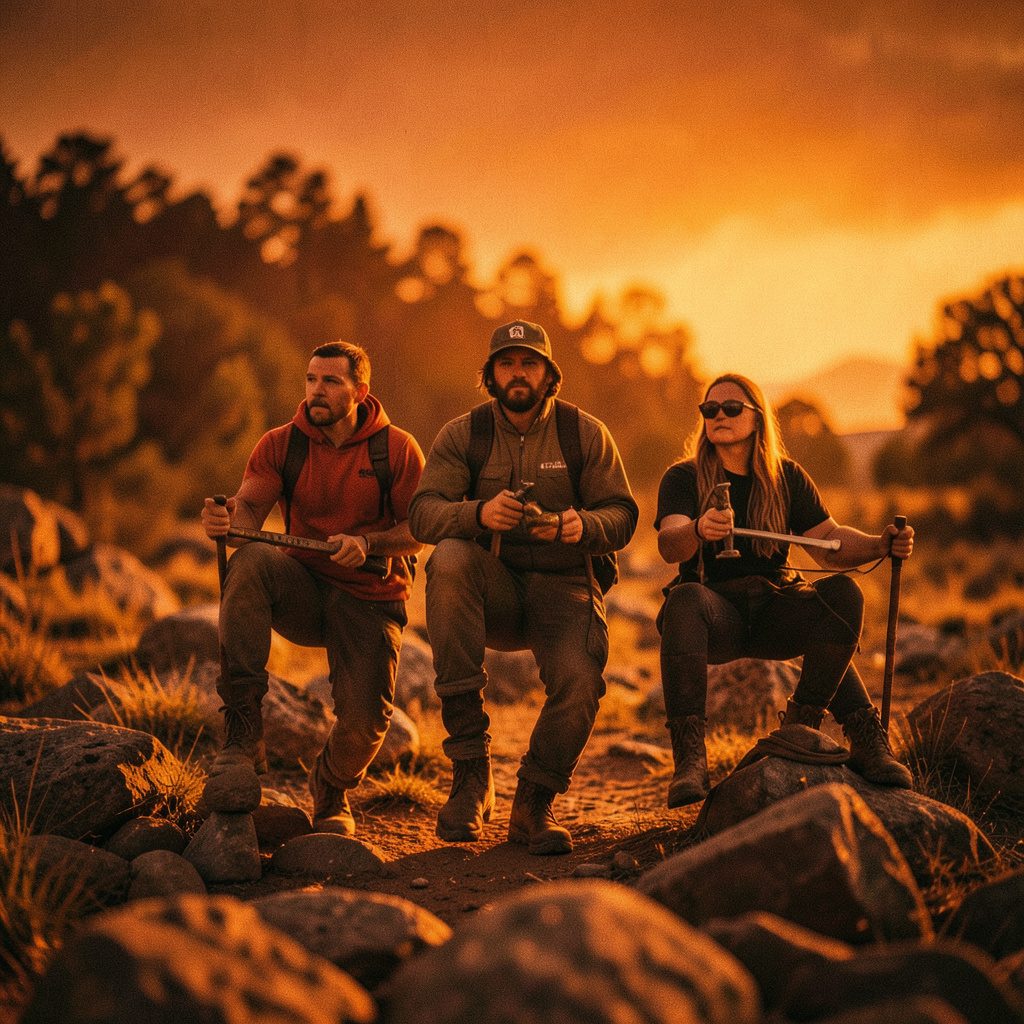









Islands and currents on the Allegheny River
Exploring the Allegheny River’s Islands: A Paddler’s Paradise is the phrase that fits western Pennsylvania, where wooded channels, quiet backwaters and close views of wildlife meet river towns, historic rail lines and forested bluffs.
Baker Island near the Clarion confluence gives newcomers a manageable introduction, while longer routes continue through changing channels toward Oil City and Pittsburgh. The water is not uniformly wild: sheltered bends can feel placid while industrial reaches demand close attention to current and traffic.
Spring runoff, summer humidity and autumn leaf colour shape different trips. Winter can deliver ice, snow and dangerous cold-water conditions, so the strongest island season generally runs from late spring through early autumn, with flexible plans around rain.
Whether travelling independently or joining a guided excursion, paddlers need a sound safety plan and accurate access information. Some islands are public recreation areas; others are private, seasonally flooded or sensitive wildlife habitat, making local knowledge valuable.
Choosing a boat for island water
Choose the boat after checking the route, not by appearance alone. A stable kayak suits beginners and frequent island landings, a canoe rewards efficient strokes on open reaches, and a paddleboard works mainly on calm water.
| Option | Best suited to | Main strength | Main watch-out |
|---|---|---|---|
| Recreational kayak | Beginners and island hopping | Stable and easy to land | Less efficient over long distances |
| Touring kayak | Longer, gear-carrying trips | Tracks well and holds a load | More affected by wind and tight turns |
| Canoe | Tandem travel on moderate reaches | Efficient glide and useful capacity | Requires stronger balance and steering skills |
| Stand-up paddleboard | Calm, sheltered reaches | Quick to launch with a shallow draft | Current, wind and cargo limit many island routes |
| Guided outing | First visits and unfamiliar sections | Local knowledge and safety support | Availability and weather may shape the route |
For island hopping, a recreational kayak offers a forgiving platform and enough capacity for water, clothing and a small dry bag. Anyone considering a board should read the paddleboard rental guide for stability, leash considerations and current limits, then compare that with wind, debris and commercial traffic. First-time paddlers can also reduce uncertainty by starting with a guided route and asking the guide about suitable landings.
Reading currents and confirming access
Read the river before choosing a launch. The National Weather Service river gauge, precipitation forecast and local alerts indicate whether the channel is rising, but gauge colour alone does not guarantee safe conditions. High water hides gravel bars, accelerates around bends and can sweep away camps.
At Baker Island and other access points, confirm parking, carry-in rules and whether an island is open. Approach low-head dams and river entrances only after checking their status because they create recirculating currents that can trap experienced paddlers. When conditions are uncertain, choose a sheltered section or go with a local guide.
Finding wildlife along quiet shores
Island edges offer the richest wildlife viewing: herons stand in shallow slack water, turtles bask on sunny logs and kingfishers dart beneath bridges. The wooded banks also support deer, raccoons and seasonal fish habitat, with eagles and migrating birds appearing along the open river.
Give birds and nesting wildlife space, and avoid landing where chicks, nests or disturbed vegetation are obvious. Do not feed animals or move logs and stones. A quiet paddle is more likely to reveal wildlife than a noisy stop, and every item brought ashore should leave with you.
Camping with care along the river
Camping beside the river can extend an island day into two, but only camp where the landowner permits it. Pennsylvania rules change by access point, and flood-prone islands may become unusable after rain. Use a tent on durable ground, a sleeping pad, secure food storage and a reliable rubbish bag rather than assuming a fire ring will be available.
Many Australian camp kitchens centre on a barbecue, an esky and food brought from home. That familiar setup works well here if local rules allow a small stove, but glass, generators and unattended fires are poor choices. Pack every scrap out and be ready for damp ground rather than assuming a dry campsite will be available.
Adapting an Australian trip to Pennsylvania
Australians based in Sydney, Melbourne or Canberra should remember that their summer holiday period, December to February, overlaps Pennsylvania winter. Kayaking then may involve ice, snow and near-freezing water. Strong sun can still make Australia's UV ratings a useful habit: sunscreen, a brimmed hat, sleeves and plenty of water matter even when the forecast feels cool.
River distances and travel planning also switch to US conventions. Route information may be given in miles while Australians think in kilometres, and fuel is sold by the US gallon. Keep both units on your phone and allow extra time for rural launches. An Australian may call the afternoon “arvo” and say “BYO” when arranging provisions, although local Pennsylvania staff will simply use “afternoon” and “bring your own”.
The US rental market often requires photo ID, a liability waiver and a temporary card hold, even for a kayak. Australians are accustomed to bonding for activity hire, but policies differ, so age limits, cancellation terms and weather refunds should be checked before paying for a self-guided trip.
For an extended Southeast Asian island itinerary, the Pattimura Airport guide provides context on Ambon’s regional air gateway. Onward connections generally travel through a larger Indonesian hub, making it a separate leg rather than a direct route from Australia.
Combining paddling with land adventures
Turn the river into a base for a broader weekend rather than a single crossing. Cyclists can follow nearby rail trails and roads after a paddle, while walkers can explore wooded bluffs and historic river towns. The outfitter’s bike and camping equipment can cover the land-based parts without hauling everything by kayak.
Guided paddling, backpacking, hiking, biking and climbing trips also open routes that combine water and forest. Seasonal snow equipment serves the winter side of the region, although it does not make icy river travel safe. Local event schedules can also reveal closures, access changes and useful contacts within the regional outdoor community.
A practical island-paddling checklist
A compact preparation routine protects both the experience and the river:
- Match the craft and route to your paddling ability, current and expected trip length.
- Check the forecast, river gauge, alerts, launch status and campsite rules on the day.
- Wear a properly fitted personal flotation device and carry a whistle, bailer, dry-bagged phone and first-aid kit.
- Pack water, weather layers, sun protection, food and a rubbish bag while keeping the load low and balanced.
- Tell someone your launch, route and return time, and never paddle alone in remote sections.
- Stay away from low-head structures, alcohol and wildlife disturbance, and plan for a safe exit.
Rentals, equipment and guided trips can be coordinated through Country Squirrel Outfitters, which also supports local outdoor events and can help shape both self-guided and guided excursions. Leave each island cleaner than you found it, respect private property and preserve the quiet water for the paddlers who follow.